Getting ready for Spring & Summer OPs

With the warmer weather approaching I figured its time for change. Enter the Icom IC 703+:
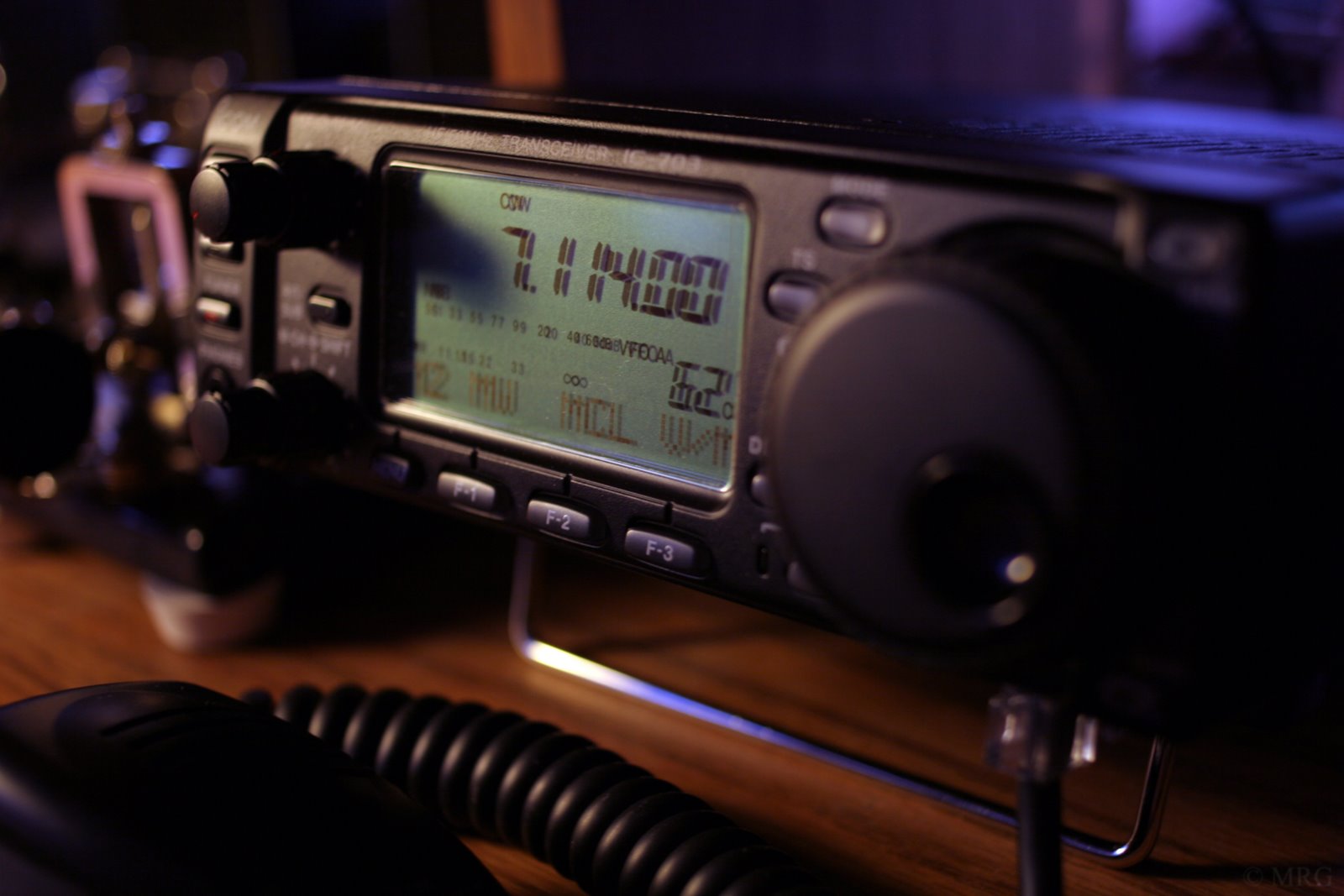

Just picked it up from HRO last week and can’t wait to start backpacking with it! For a qrp rig it seems to fit me better than my FT 817 but weighs a ton! First impression seemed good – I like the dsp features and built in auto “tuner”. I also like the low current drain compared to the 817, ~300-350ma on receive with muted audio, tx at 5 watts is about 1.5 amps, 10 watts is around 2 amps with a load voltage of ~13.5 volts. This rig can also run off of ~9.6 volts and still put out 4 to 5 watts which works for me as I happen to have some spare vex 9.6v nicad 1A power packs not being used(another battery pack to be built!).

Still the 817 has its place as a portable 6m, 2m, and 70cm all mode rig with just the basics. Just yesterday I took it to the top of Mt. Taurus for some weekend spring qrp action:
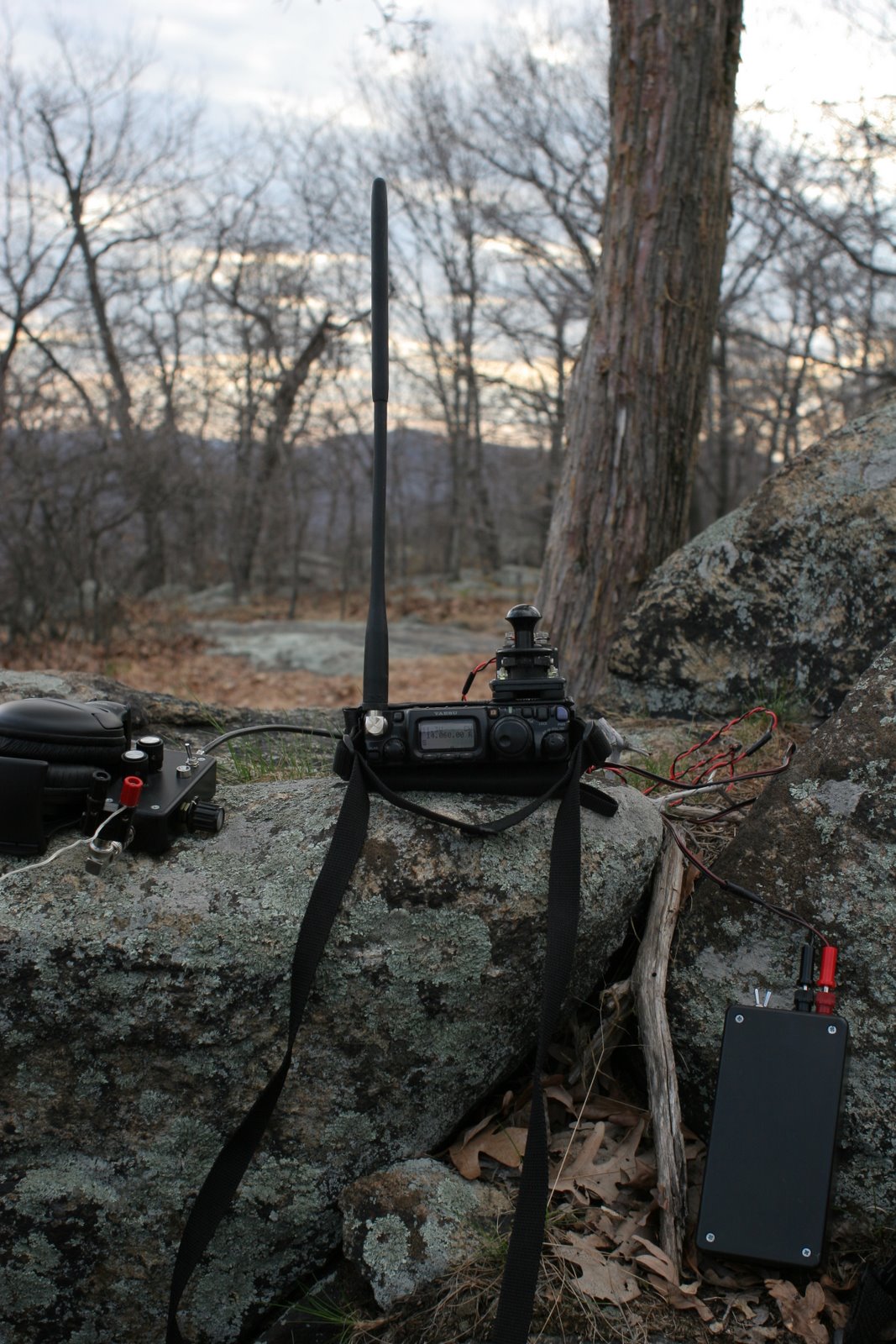

Even the 817 still weighs a bit – any serious operating will require an external power source – I use a homebrew 2A 12v regulated battery pack. This adds considerable weight and you’ll begin to feel it in no time when trekking about. For an antenna I just use 22g speaker wire that I had laying around as an end fed wire to my homebrew t transmatch. I usually work on 20m , 10m, 6m, and 2m – give me a call if you hear me!

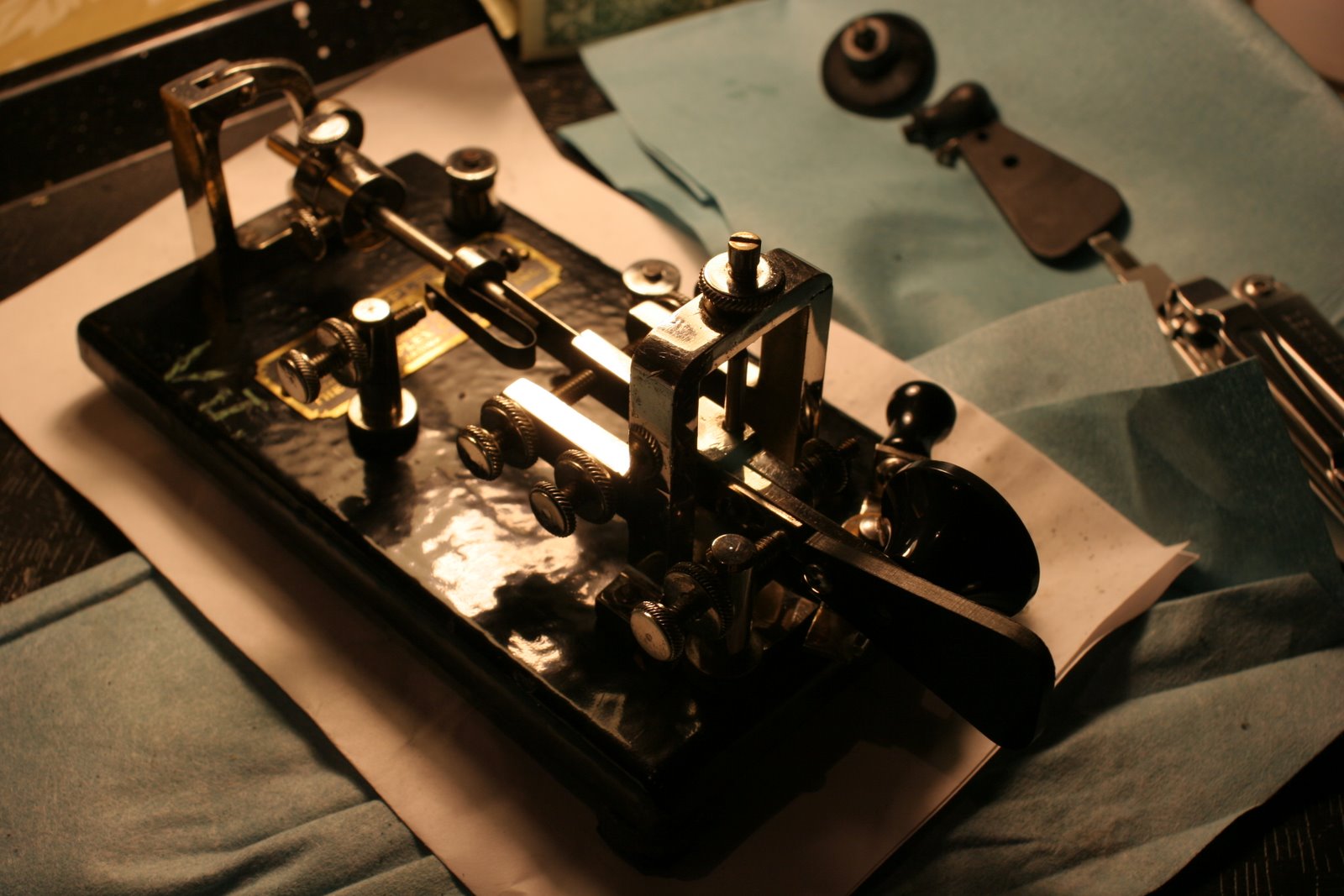
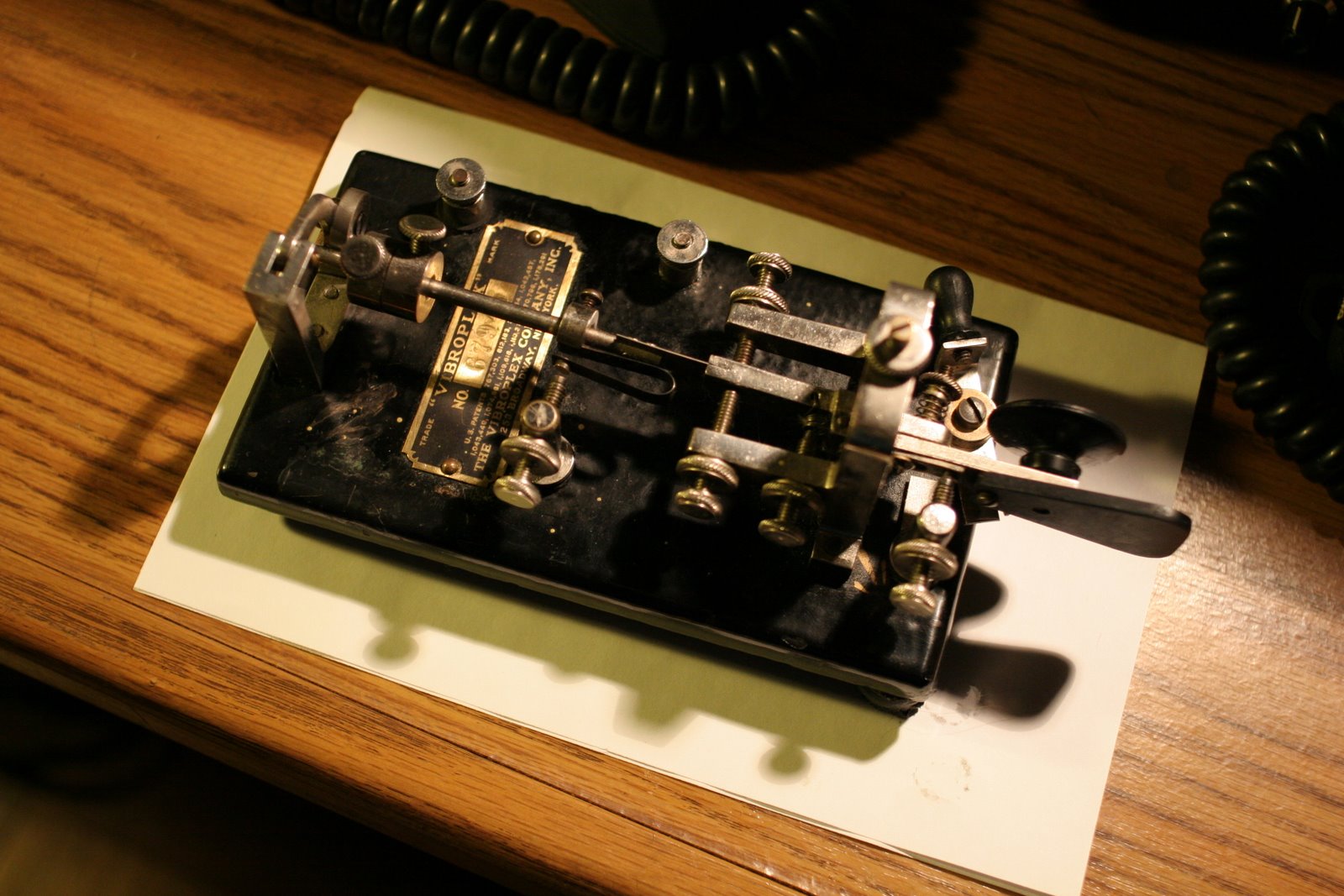
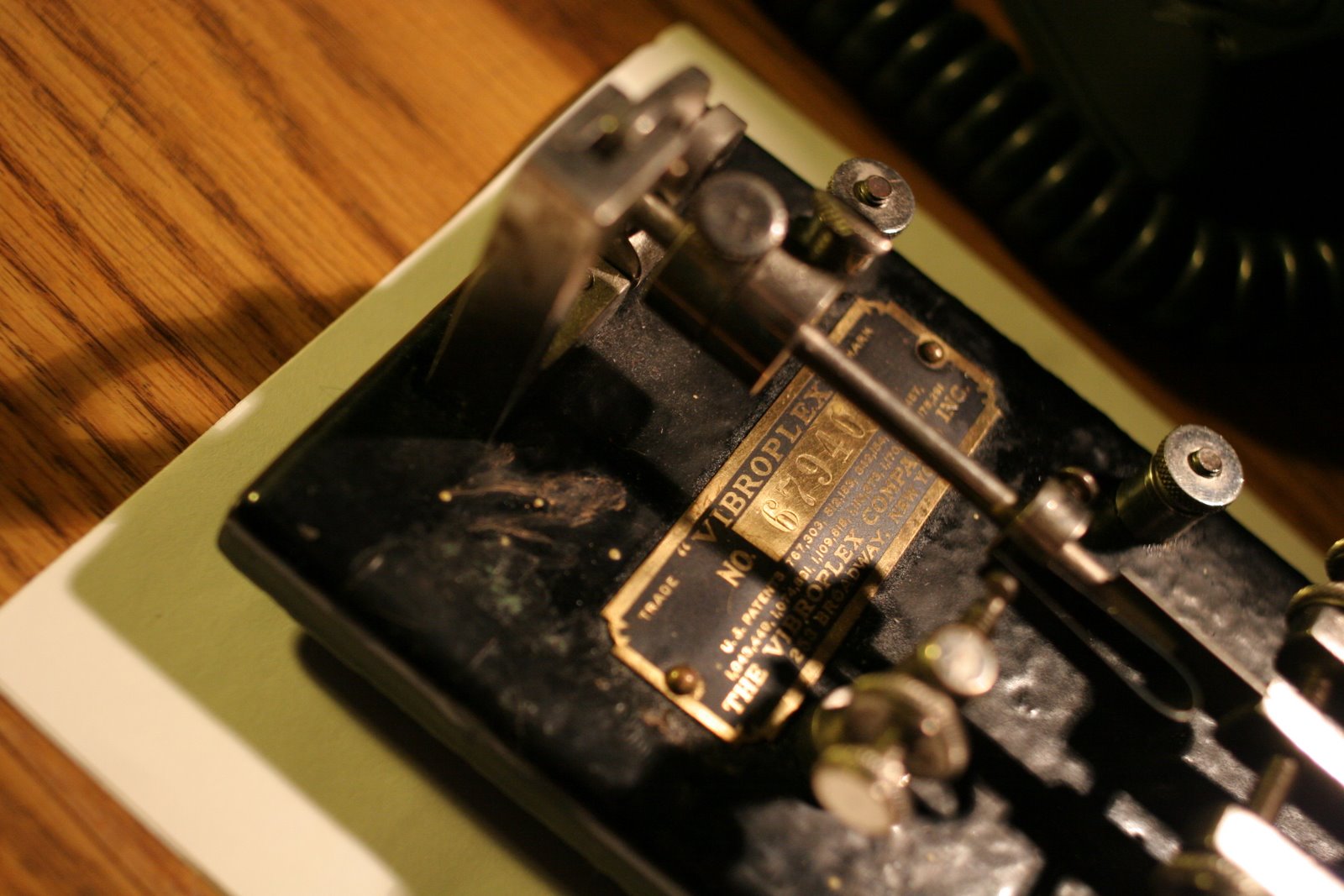
I’ve finally gotten around to fixing up that nice 1919 Vibroplex Original, here it is:
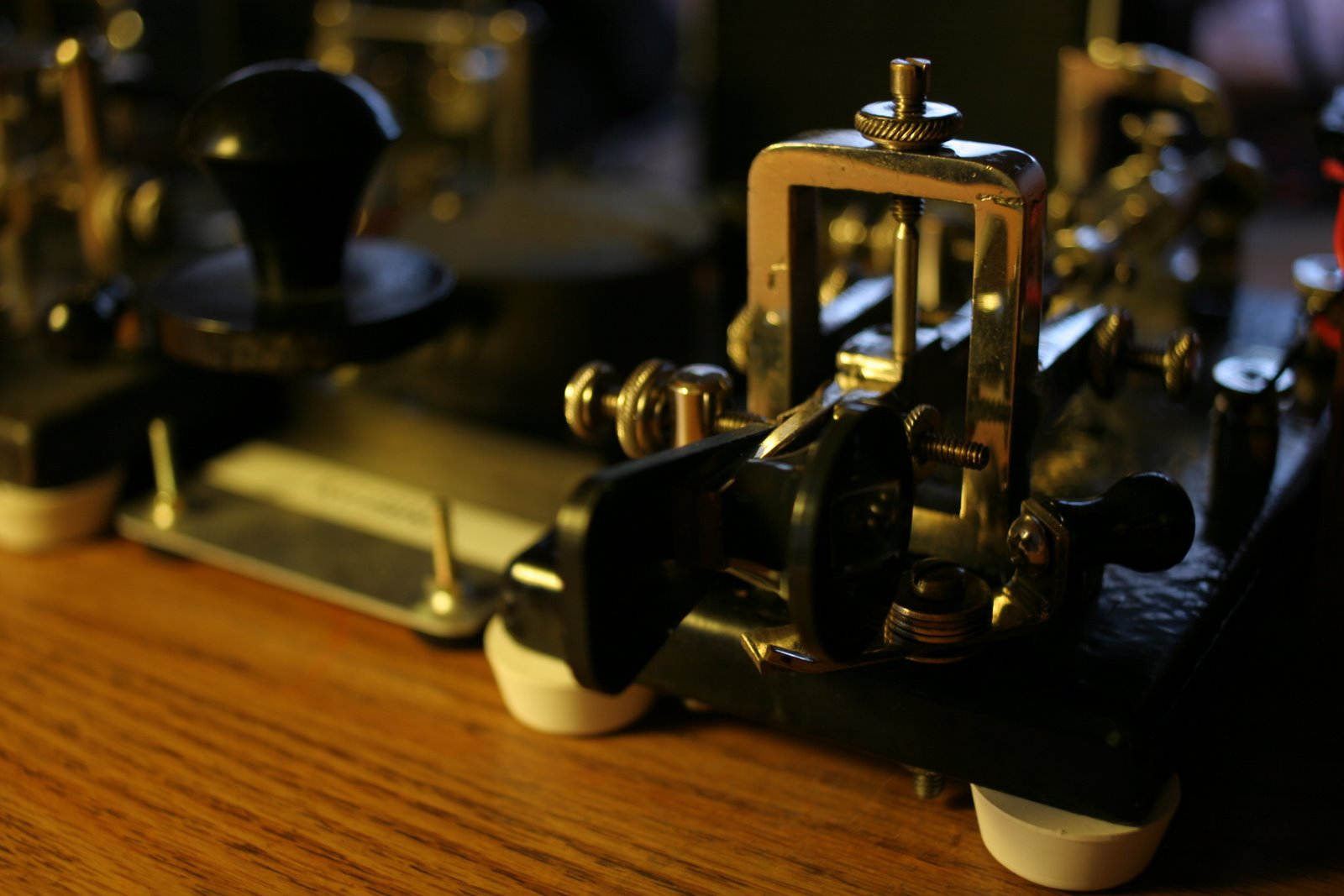

I replaced the feet since they were worn out with ones found at Home Depot – at the time they had only white feet, a bit oversized but they actually work far better than the stock ones and they manage to hold their grip pretty well. Can’t wait to start operating some more after this semster is out! Until then,

73 de KC2BNX

Tom Perry, W2BIS SK 3/15/2009

WAPPINGERS FALLS – Thomas R. Perry, 66, a Town of Wappinger resident for 30 years, entered into eternal rest on Sunday, March 15, 2009, at Vassar Brothers Medical Center in Poughkeepsie. Born Sept. 16, 1942 in Greenpoint, Brooklyn, Mr. Perry graduated from Martin Van Buren High School in Queens in 1961 and with Honors from New York Technical College in Brooklyn in 1963. Upon graduation, Mr. Perry was hired by IBM, beginning his career as a Technician at the IBM Research Center in Yorktown and retiring as an Advisory Engineer in 1992. During retirement, Mr. Perry (a licensed small engine aircraft pilot since 1989) enjoyed flying “7605 Golf” (his own Cessna 172) as well as several Cessna airplanes owned by the Grasshoppers flying club, of which he was a member for many years. Also an avid motorcycle enthusiast, Mr. Perry spent many hours riding his beloved 1989 Honda Goldwing, whom he affectionately nicknamed “Leroy.” Perhaps Mr. Perry’s greatest passion, however, was Ham Radio. Initially licensed in 1958 as WA2BIS, Mr. Perry held an Extra Class license for the past 23 years under the call sign W2BIS. Known by many as “Tommy Tech,” there was not a transceiver, receiver, transmitter, microphone, speaker, antenna or amplifier that he could not repair or refurbish. He will sorely be missed by the boys on “535,” and by the many, many individuals for whom he generously donated his time and knowhow to help resuscitate their ailing rigs and components through the years. Mr. Perry’s survivors include his loving wife and soul mate of nearly 45 years, Marilyn Perry, daughter, Dr. Donna Perry and her husband, Dr. Jonathon Amith of Gettysburg, PA, son, Thomas Perry of Highland and son, Michael Perry of Wappingers Falls. Other survivors include his two beautiful granddaughters, Kathleen Rose Perry and Alana Kiri Amith, both of whom will dearly miss their Grandpa, sisters, Eunice Chelosky of Plainview, NY, Patricia McMahon of East Northport, NY and Geraldine Holt and her husband, Ronald Holt of West Islip, NY, as well as many nieces, nephews and friends. Calling hours will be 2-4 and 7-9 p.m., Thursday, March 19, at the Delehanty Funeral Home, 64 E. Main St., Wappingers Falls. A Mass of Christian Burial will be celebrated 10 a.m., Friday, March 20 at St. Mary’s Church, Wappingers Falls. Burial will follow in St. Mary’s Cemetery. Published on March 17, 2009 in the Poughkeepsie Journal.

Tom Perry at QSY Society Field Day 2007 Tom Perry W2BIS from his file at QRZ.com

Bug Maintenence Continues

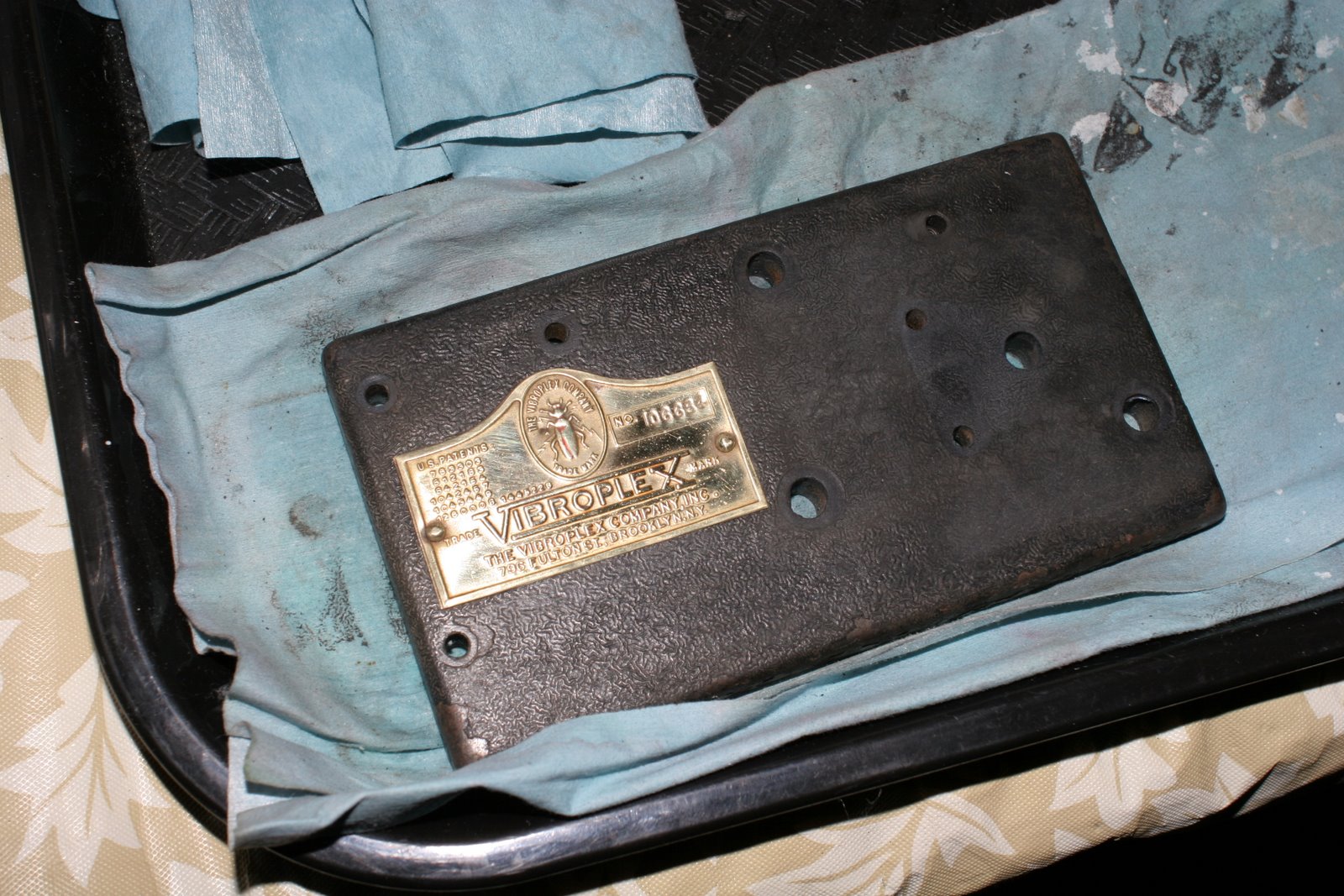
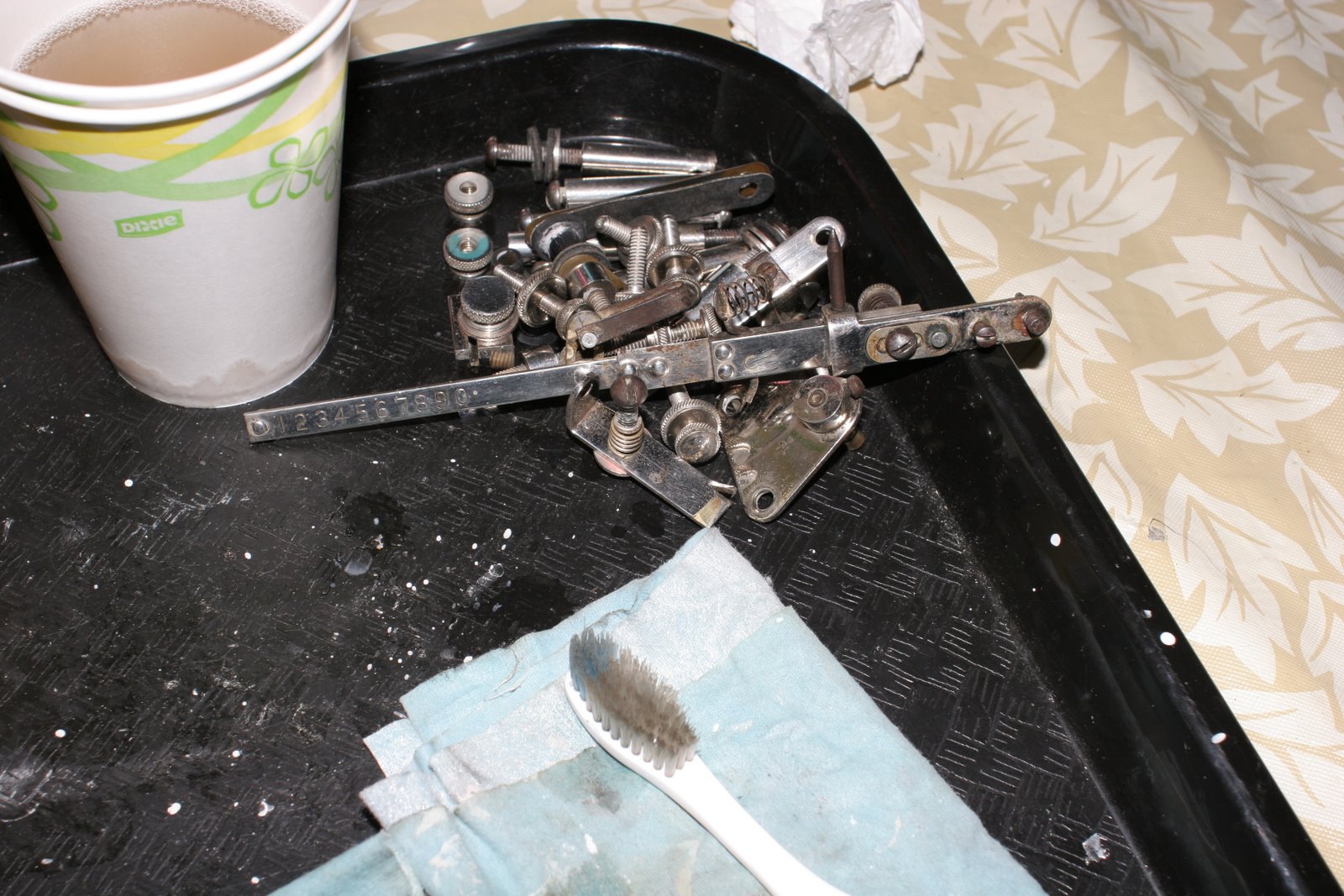
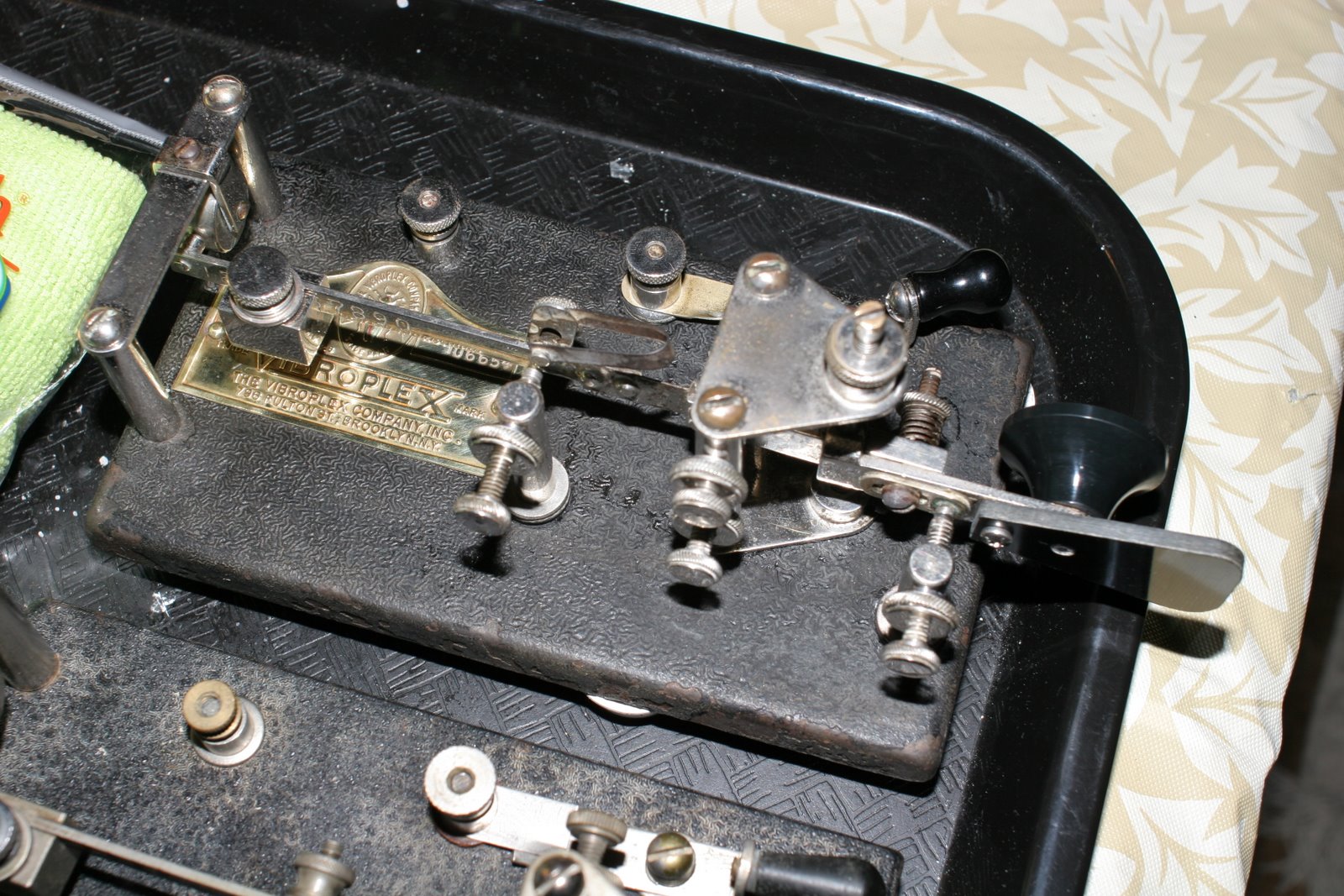
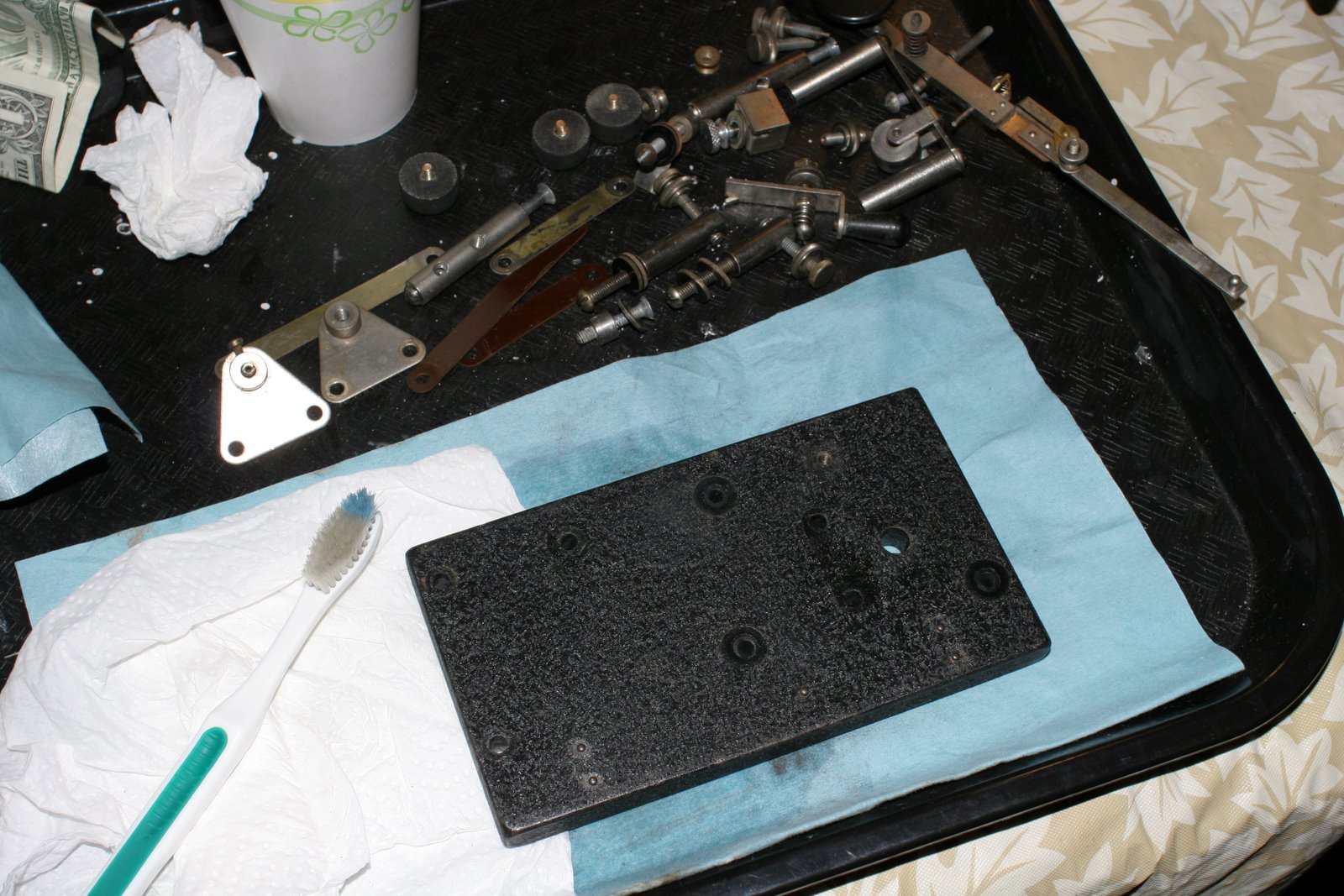
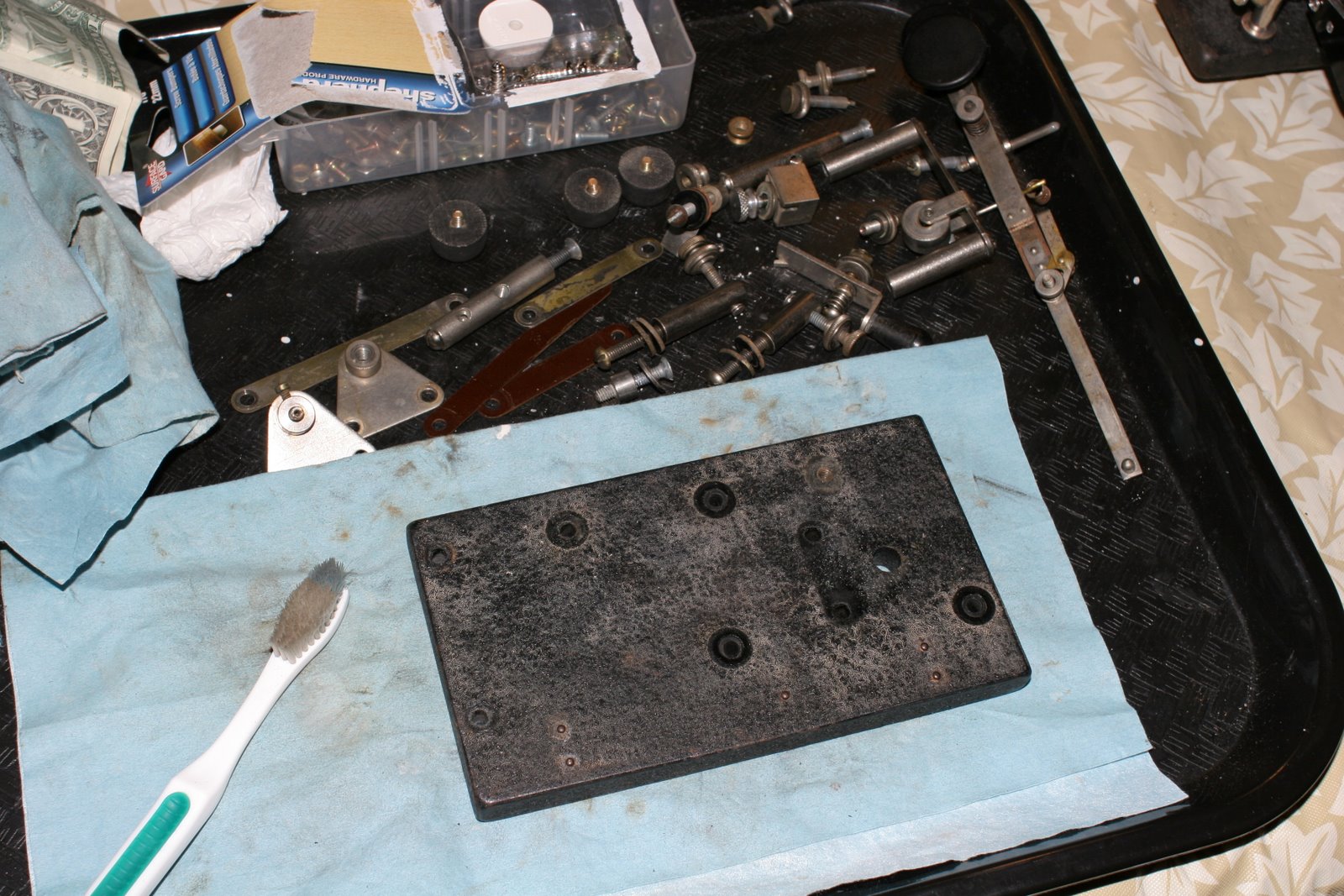
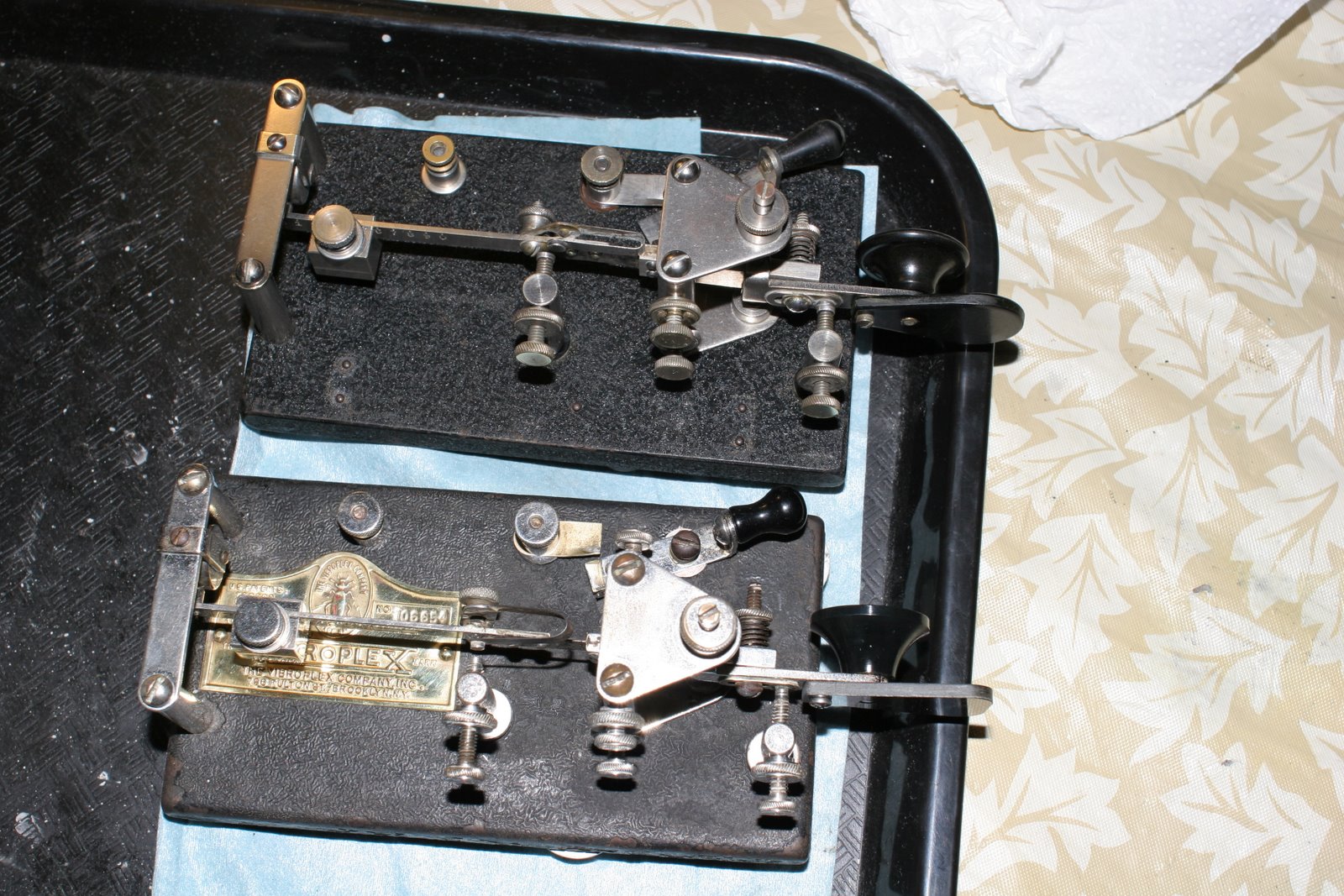
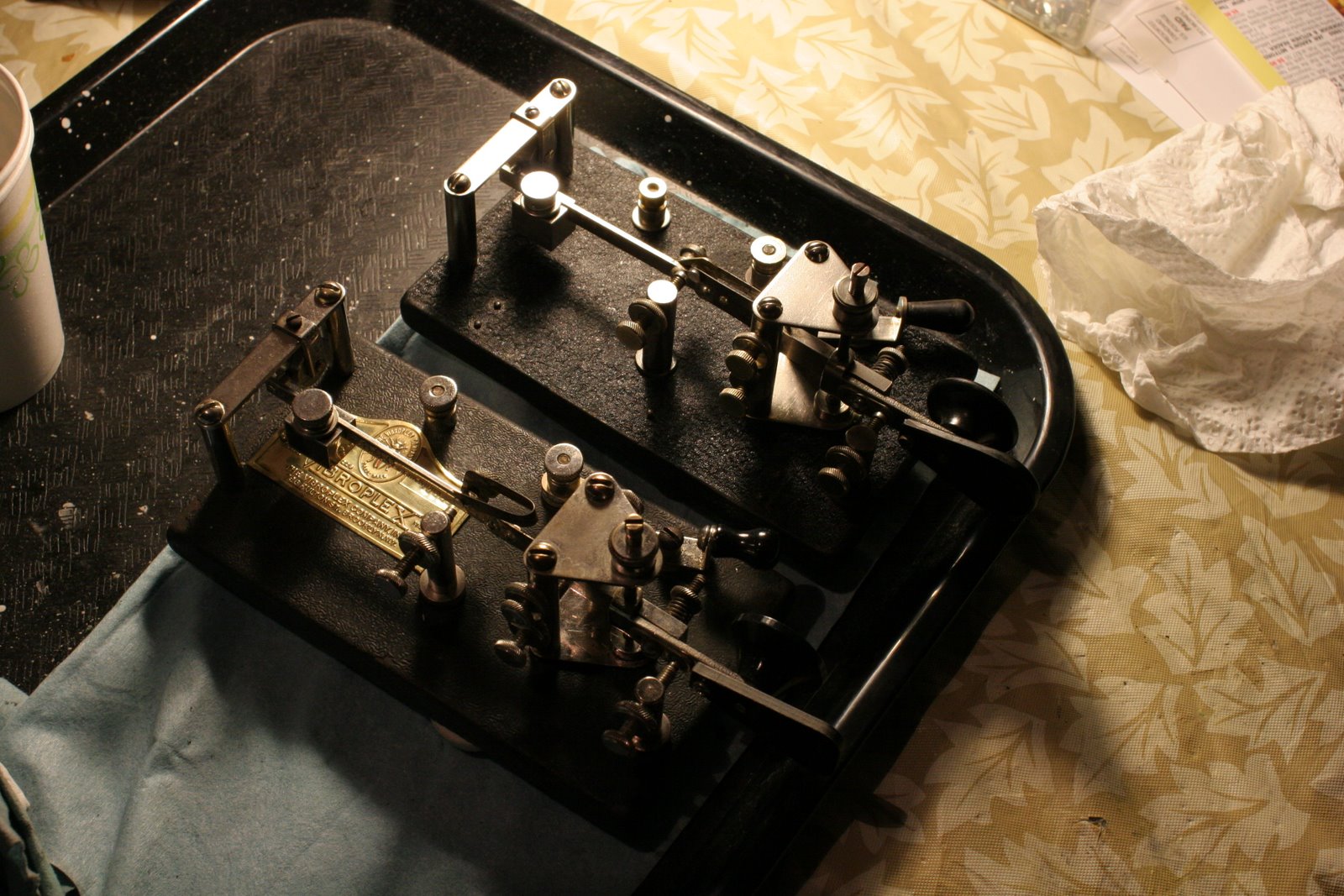
Finally finished cleaning a few bugs this weekend, the 1933 Lightning and Lionel J 36. Here’s the 1933 base, parts(brasso’d), and final re-assembly:


I just used Brasso, soap & water in a cup, defunct
toothbrush, few rags and some elbow grease to get it almost completely clean. Unfortunately the previous owner decided it was better to glue strips of rubber on the bottom so when it came time to improvise round rubber feat I had some trouble. That is with the glue left behind, real sticky stuff. I managed to work most of it off but some still remains – I had faced a dilemma: either use harsh chemicals to remove the glue crud and damage the paint underneath or use the brush, water and soap. I opted for the soap and water – it worked ok and I still have the paint(whats left of it) on the bottom of the base. For replacement feat I used white rubber ones found in the Home Depot furniture section(or thereabouts). They’re a little oversized but work and give the bug a much better footing on the table. A side note: when using Brasso, avoid the RED PAINTED bug emblem on the Vibroplex name plate! I ended up Brasso’ing that part too much and pretty much lost most of the red paint on the little bugger.

The Lionel cleaned up much better, especially the base. Take a look at the “before and after” pictures below:

The end result?

Two down, two to go – the 1920 Martin Junior and last but not least, a 1919 Original:

The journey continues…

73

– Mike
KC2BNX

QRP Chronicles: Part I – The Rockmite Creation

The Rockmite

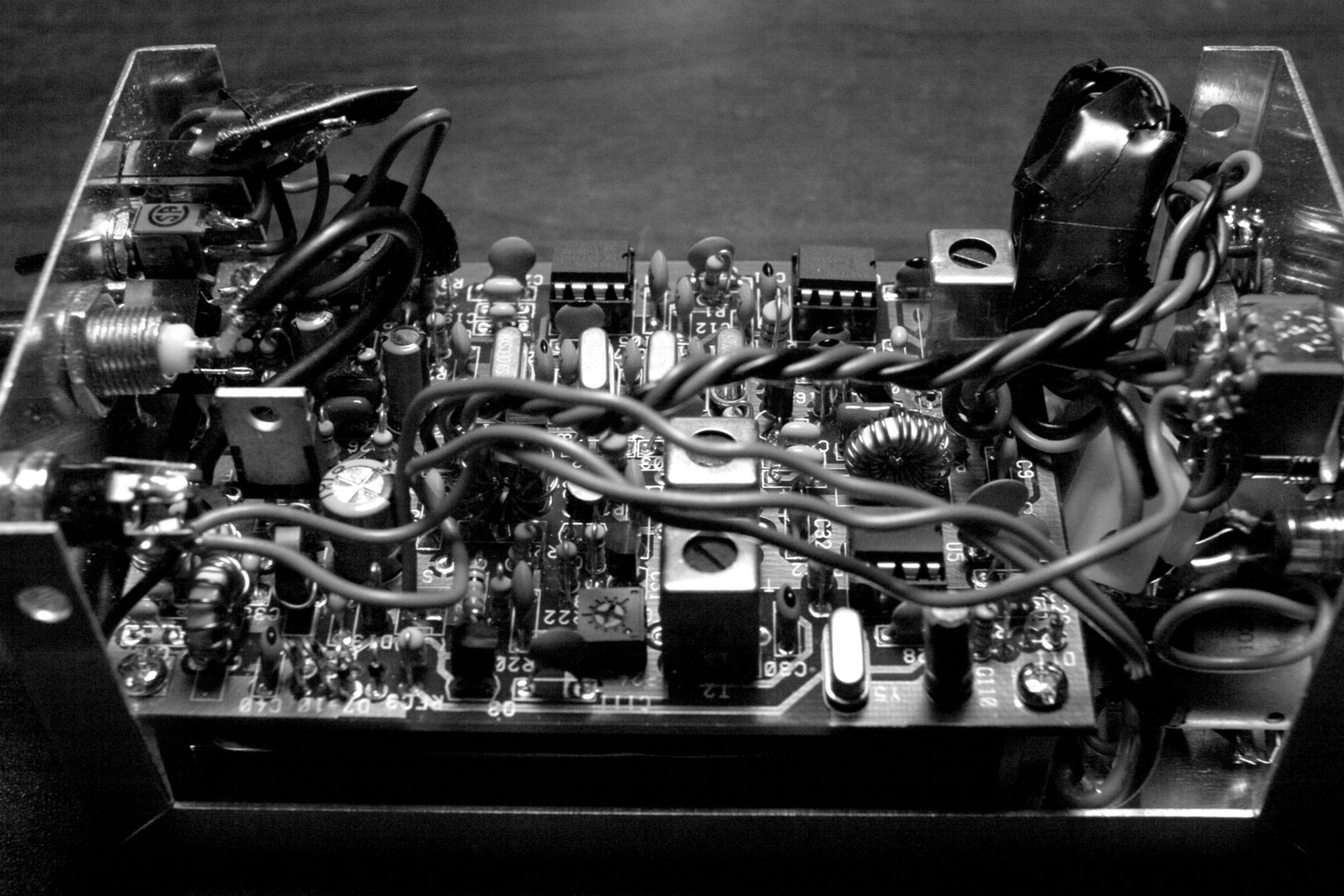
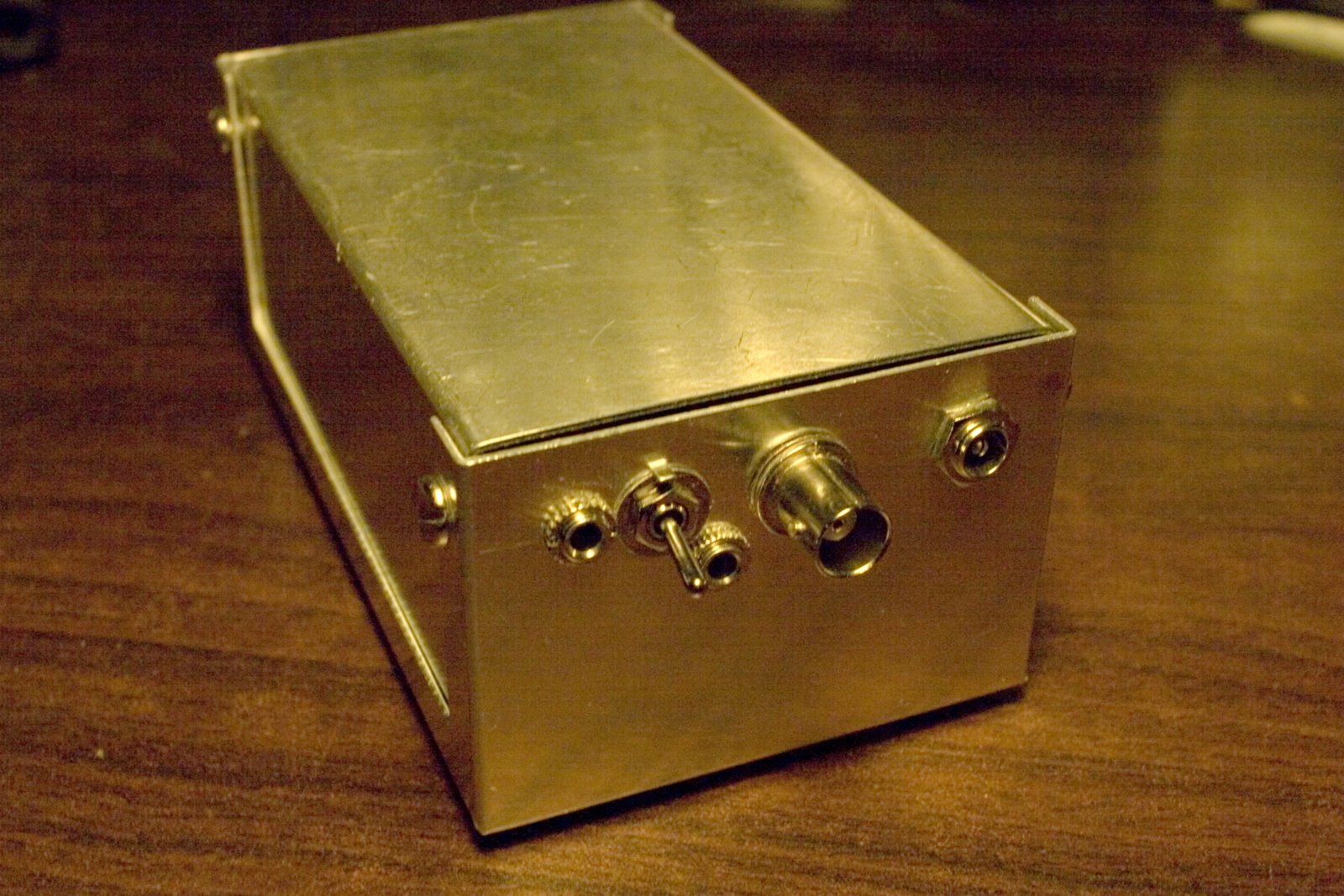
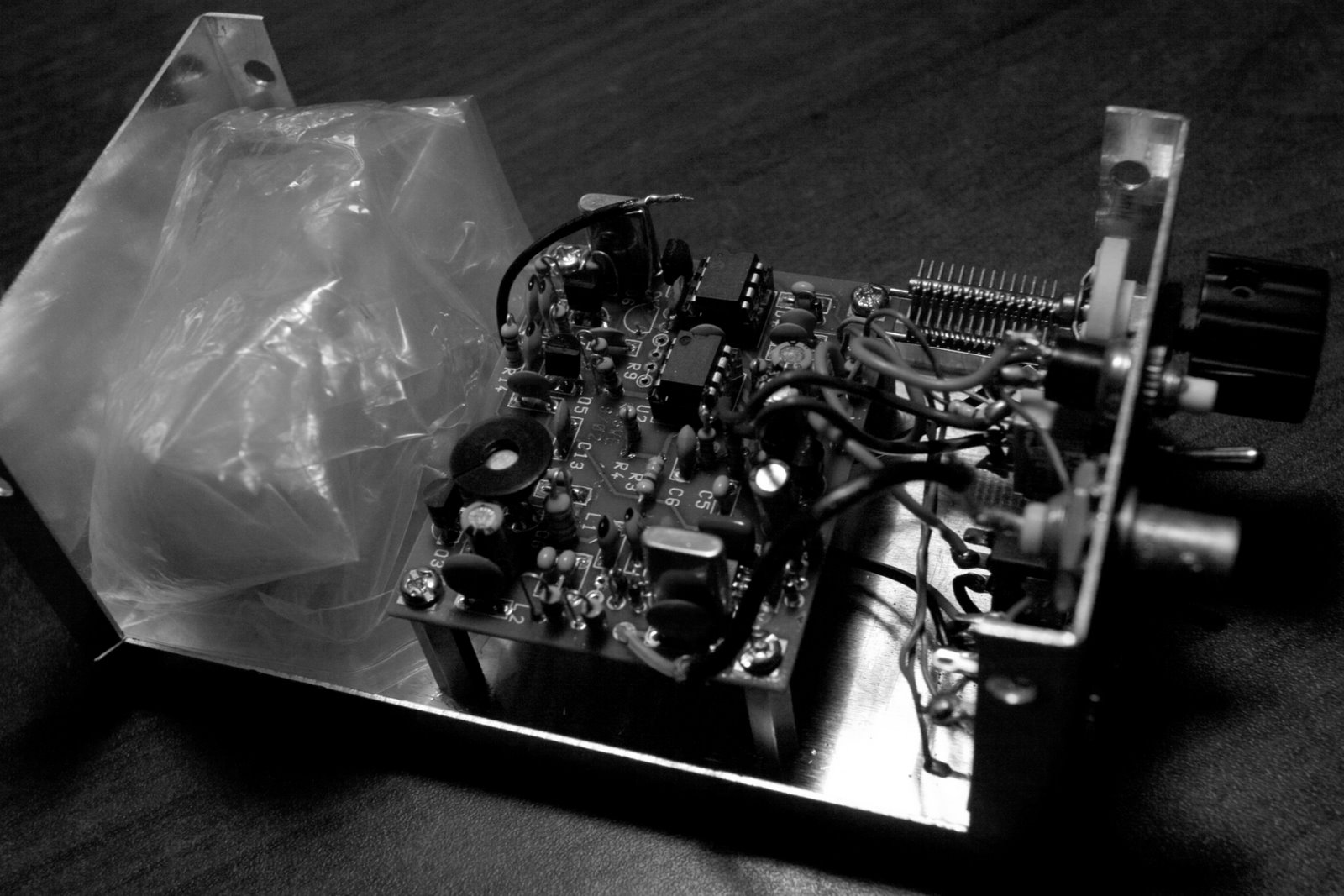
Yeah so I ordered a Rockmite 20 meter cw transceiver kit about a month and a half ago from Dave Benson(K1SWL) on his website(http://www.smallwonderlabs.com/) to build a ready-to-go, “all in one” qrp cw rig. Fortunately my wait lasted until two days ago when it came in! I’ve already designed the panel layout as can be seen here:


Now you maybe wondering what all the switches are but they all have a purpose. I’m trying something different this time around – last time I built a SW20+ with a built in 9.6v nicd battery pack with charging circuitry:

This time I’m not only aiming to put in a rechargeable power system but also incorporate a led swr bridge based upon prior projects of mine along with a miniture internal L network HPF transmatch using a polyvaricon and four spst switches to switch in and out inductance combinations for a total of 2 ^4 (thats 16) possibilities. The polyvaricon measures about 12pf to roughly ~140 pf. If you look closely you’ll notice that there are no continously-variable volume controls whatsoever – thats because I decided that a simple Hi/Low volume control would do given from prior experiences using my 40M Rockmite. Here’s some pictures of that rig:

Here’s the miniature polyvaricon cap and toroid thats going to be used for the internal “tuner” below:


The other switches are used for charging the internal battery/batter power or external DC, switching the swr and/or internal transmatch in or out independently and keyer control if paddles are used. As you can see, the differences from the 40 meter and 20 meter Rockmites puts this new project on a different level of complexity. Hopefully all will go well and I’ll have it ready and built in time for the next meeting! As always you can reach me at KC2BNX@gmail.com if you have any questions! 73

– Mike
Kc2BNX

HF Pack Website

I expect some members will be interested in the website. hfpack.com/

This is what they have to say about themselves:

HFpack is the International Resource for Amateur Radio HF Portable – Mobile – Emergency Communications – Ham Radio Information Exchange – Nets – Ionospheric Propagation.

HFpack is an international news organization.

HFpack provides an information exchange about transceivers, antennas, systems, High Frequency communications, QRP, HF packs, propagation, EMCOMM, new developments and
techniques in VHF and HF portable operation. Radio Amateurs are invited to participate in HFpack group forums and on-the-air nets around the world.