Bug Maintenence Continues

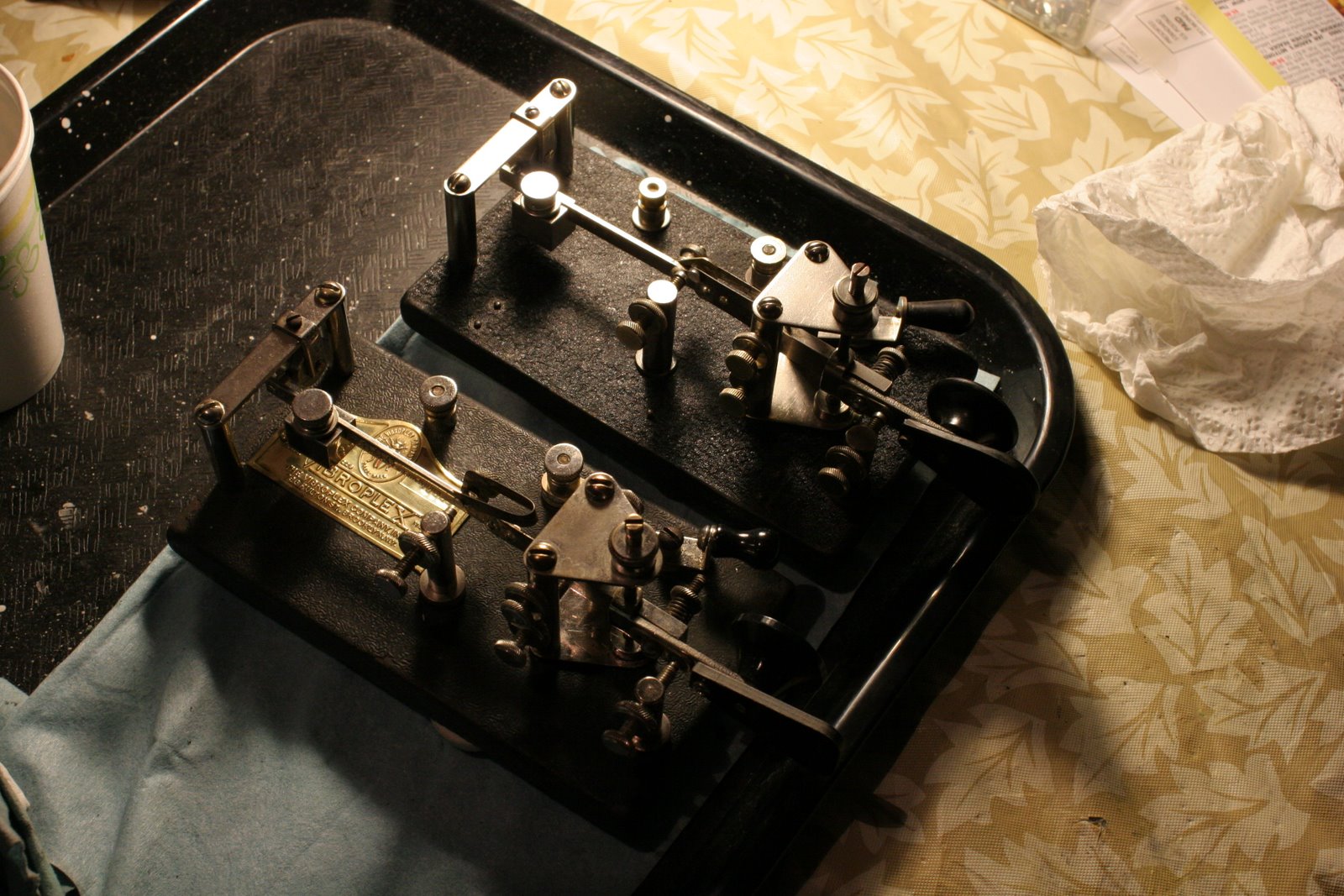
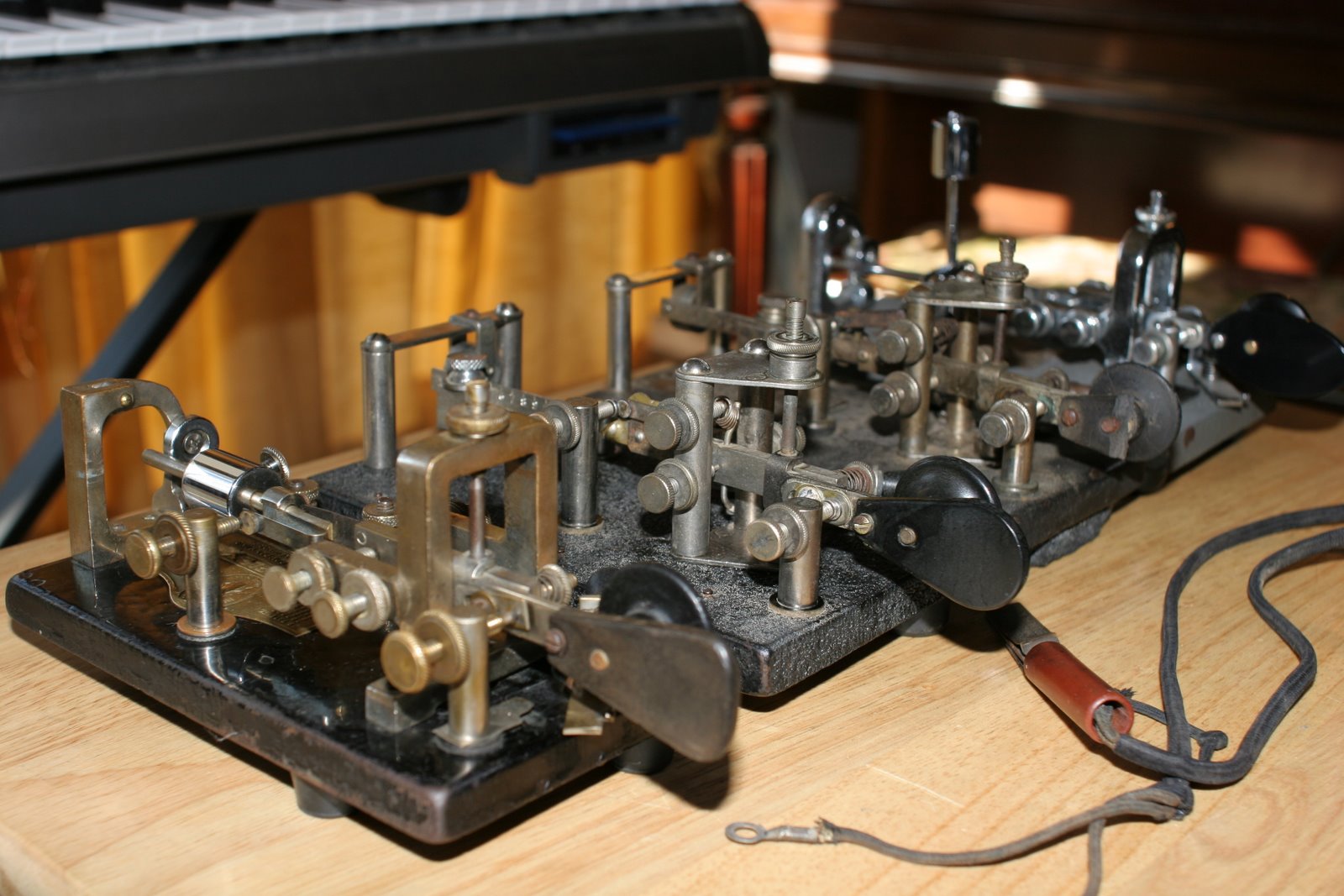
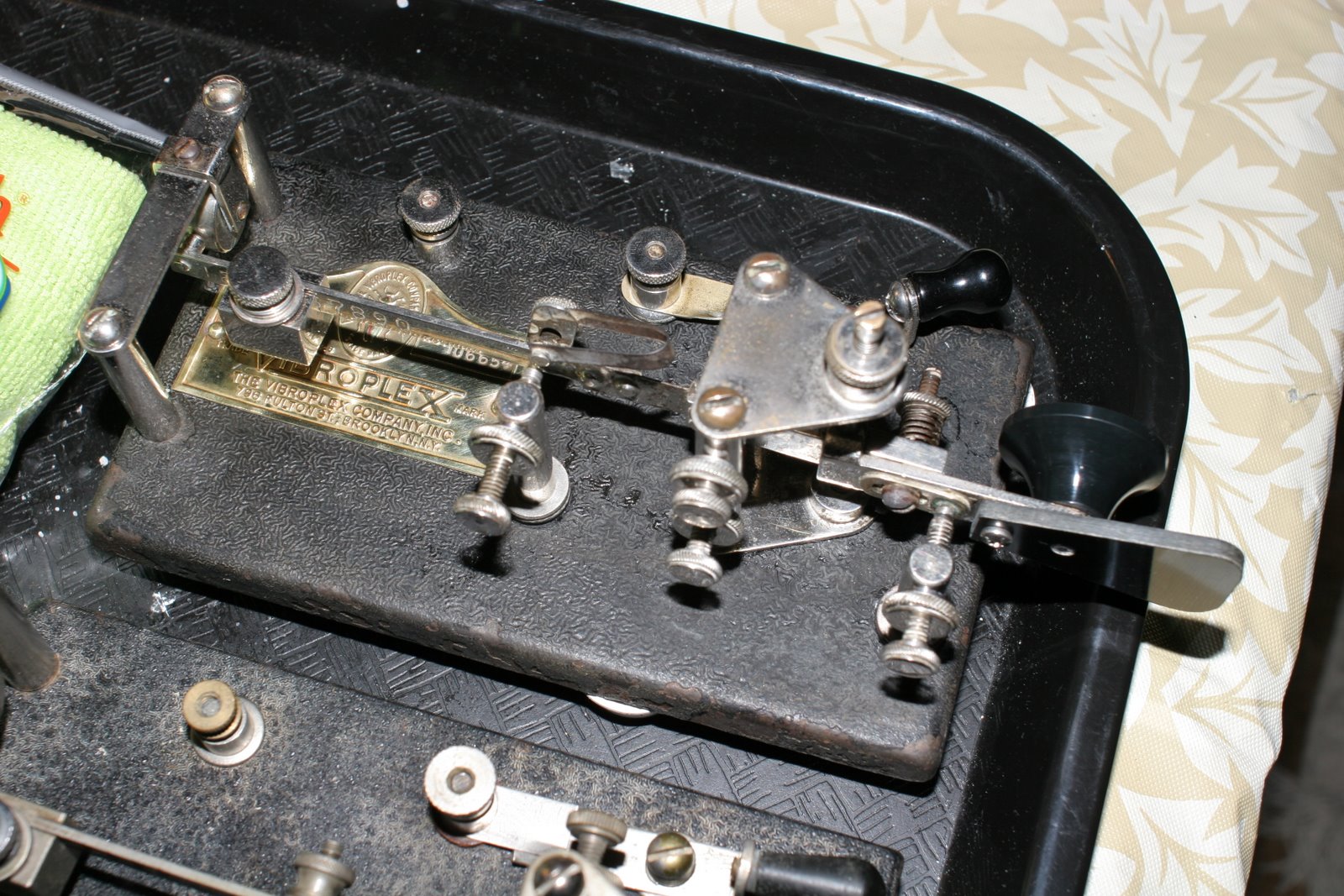
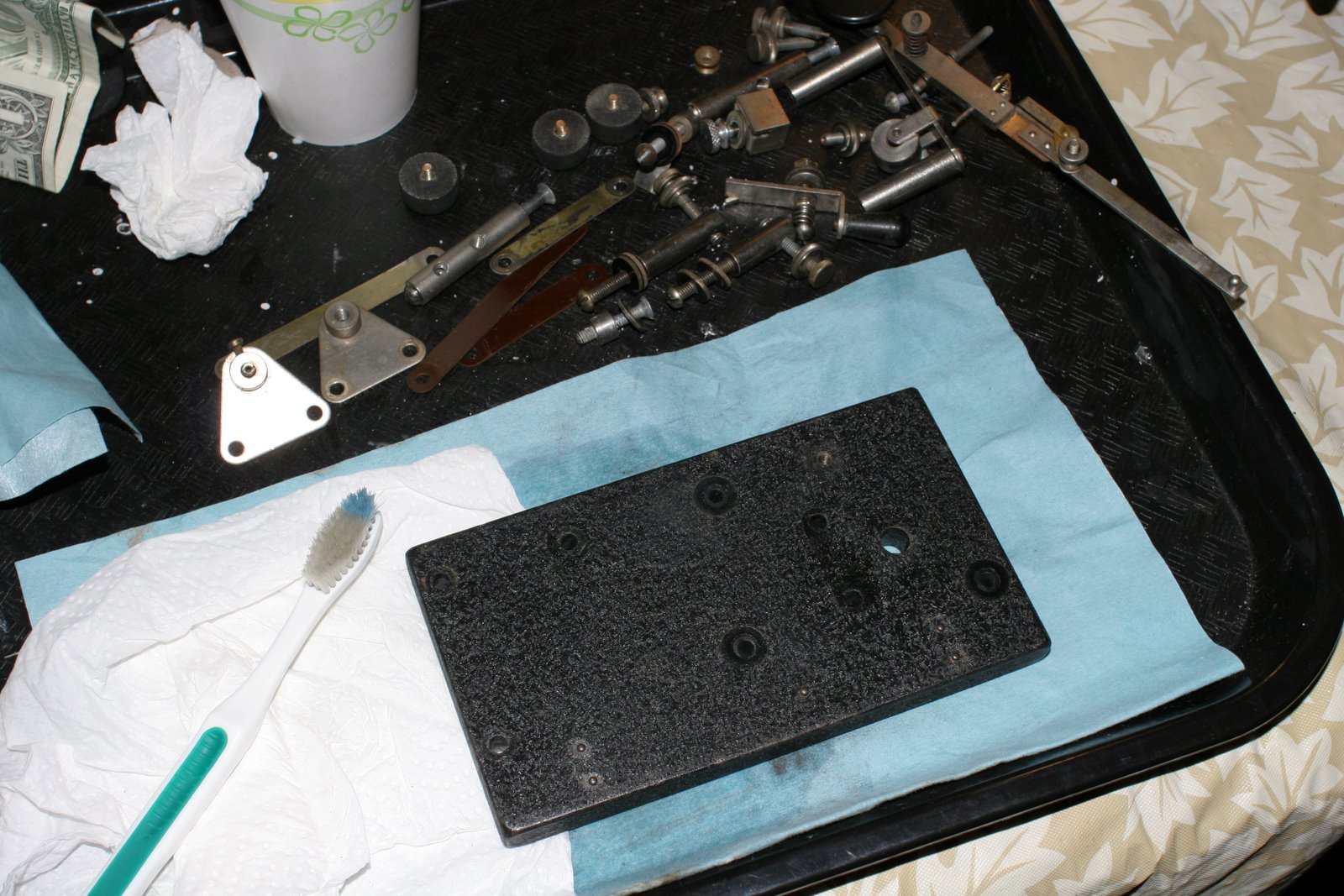
Finally finished cleaning a few bugs this weekend, the 1933 Lightning and Lionel J 36. Here’s the 1933 base, parts(brasso’d), and final re-assembly:
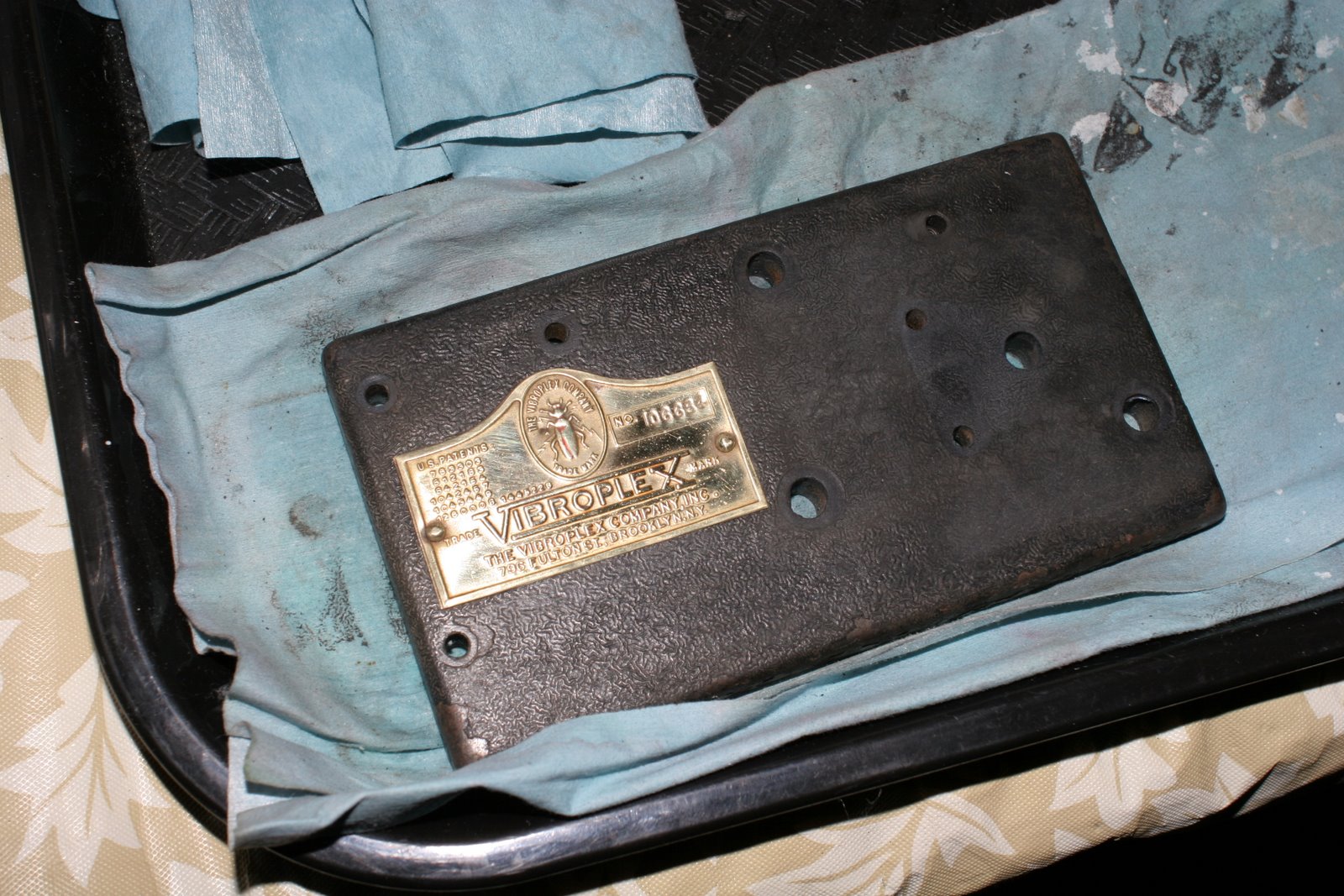
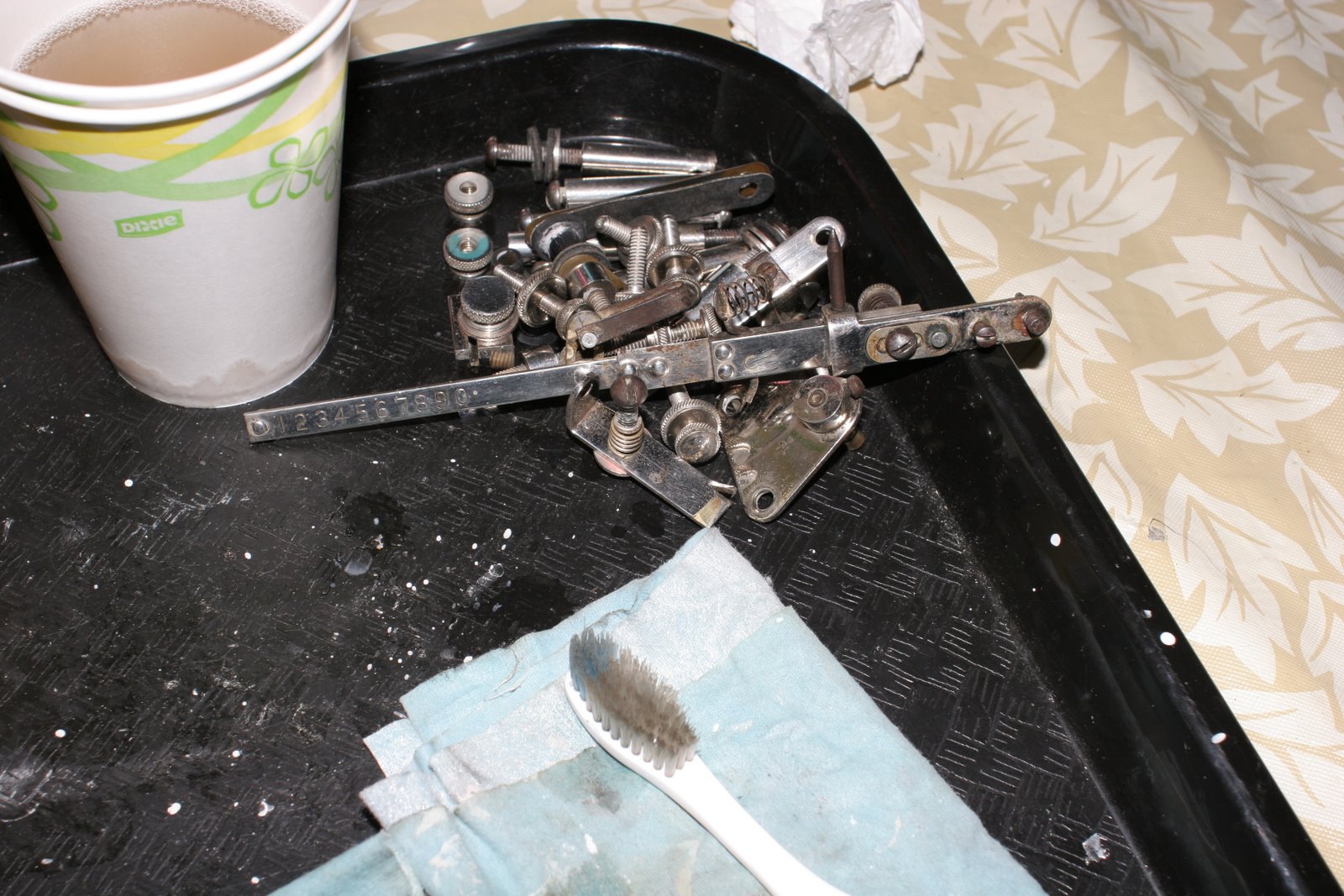
I just used Brasso, soap & water in a cup, defunct
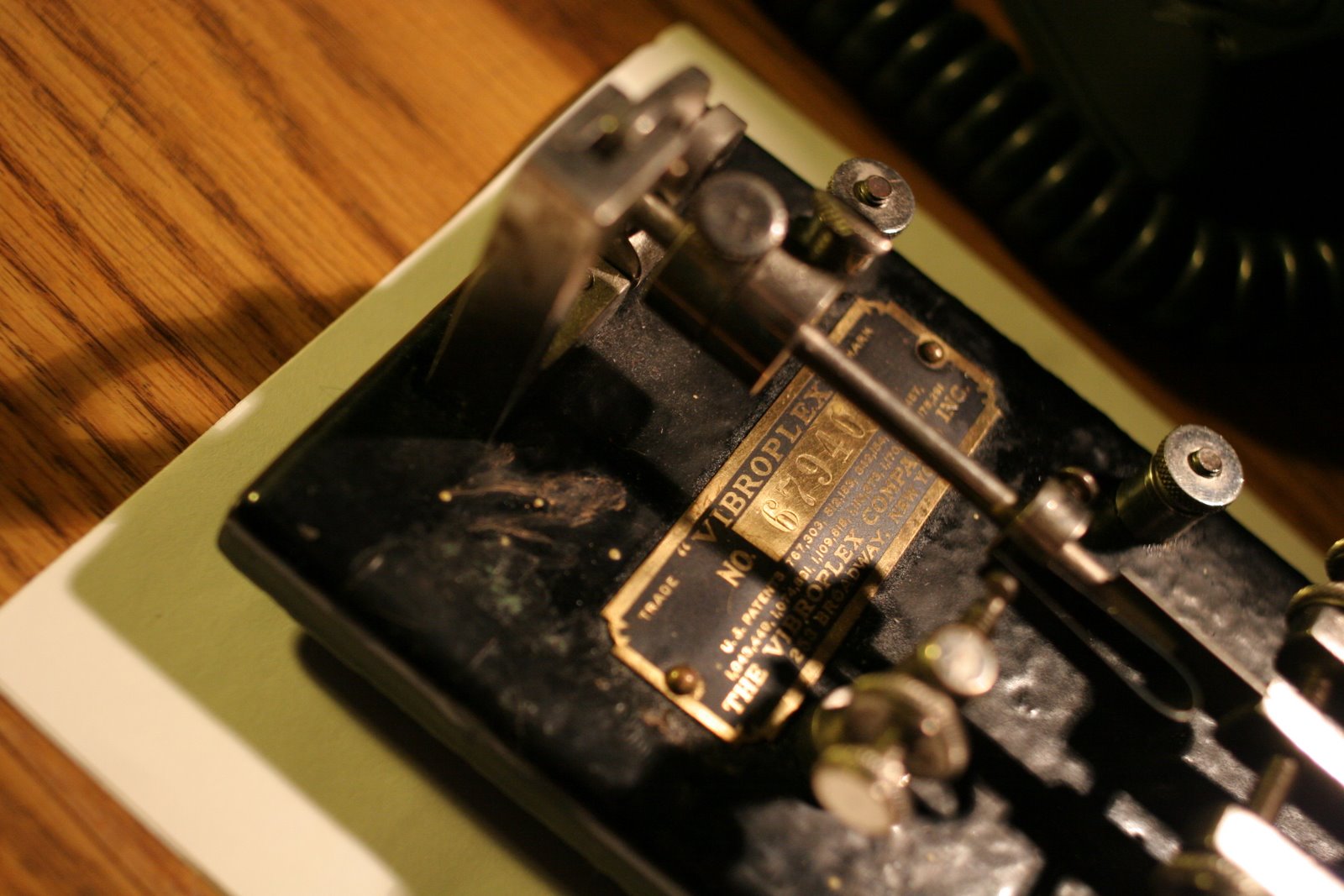
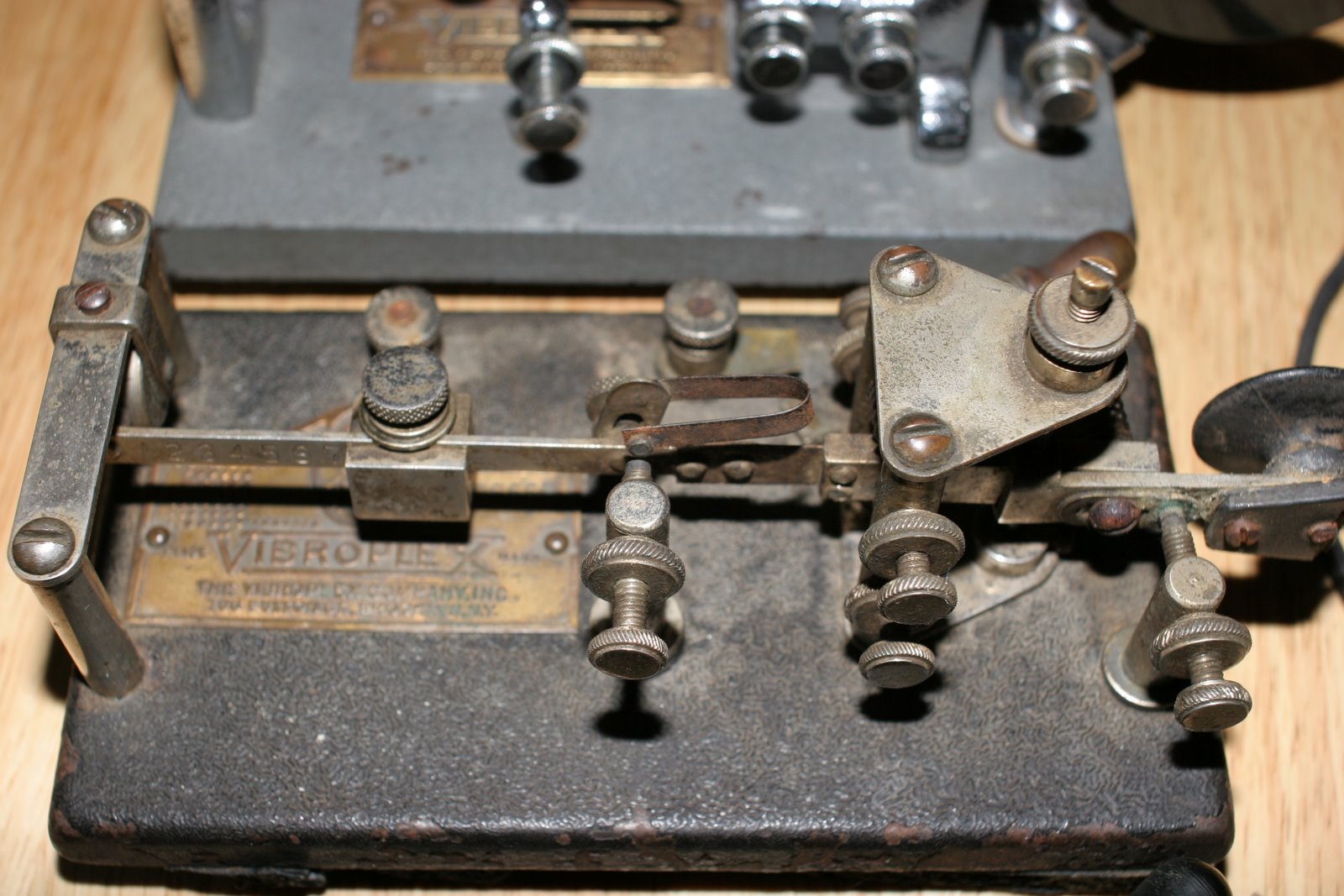
toothbrush, few rags and some elbow grease to get it almost completely clean. Unfortunately the previous owner decided it was better to glue strips of rubber on the bottom so when it came time to improvise round rubber feat I had some trouble. That is with the glue left behind, real sticky stuff. I managed to work most of it off but some still remains – I had faced a dilemma: either use harsh chemicals to remove the glue crud and damage the paint underneath or use the brush, water and soap. I opted for the soap and water – it worked ok and I still have the paint(whats left of it) on the bottom of the base. For replacement feat I used white rubber ones found in the Home Depot furniture section(or thereabouts). They’re a little oversized but work and give the bug a much better footing on the table. A side note: when using Brasso, avoid the RED PAINTED bug emblem on the Vibroplex name plate! I ended up Brasso’ing that part too much and pretty much lost most of the red paint on the little bugger.

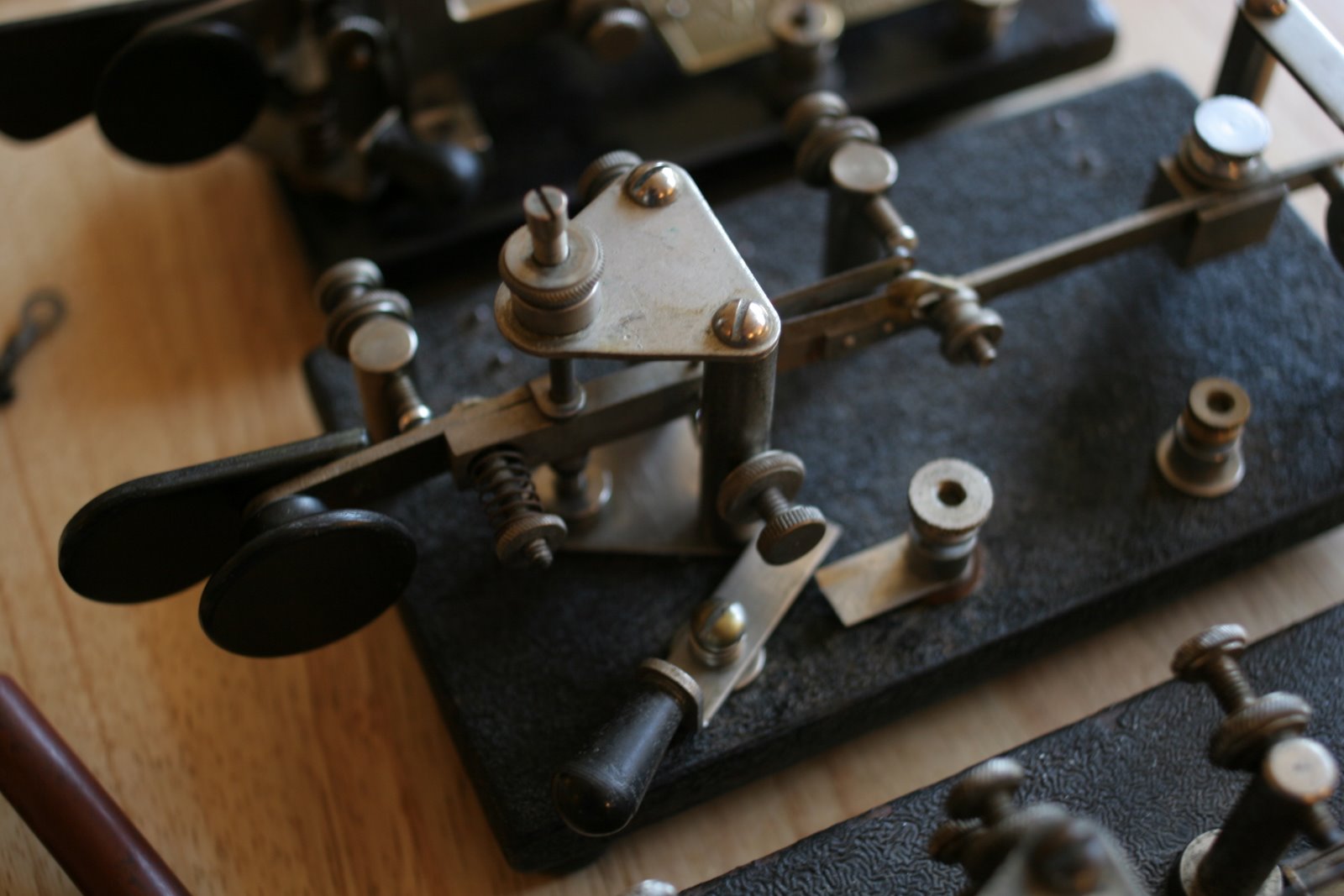
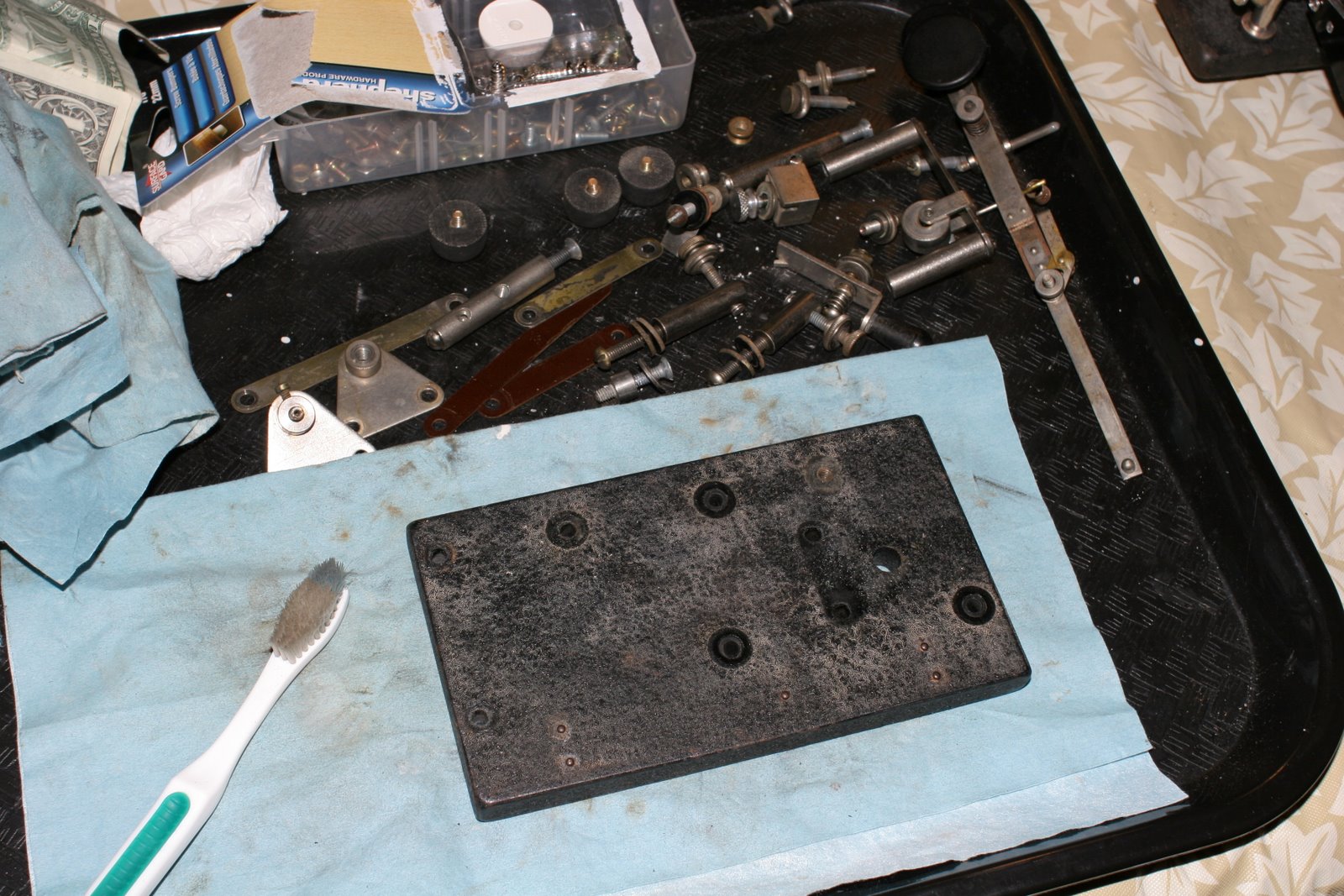
The Lionel cleaned up much better, especially the base. Take a look at the “before and after” pictures below:
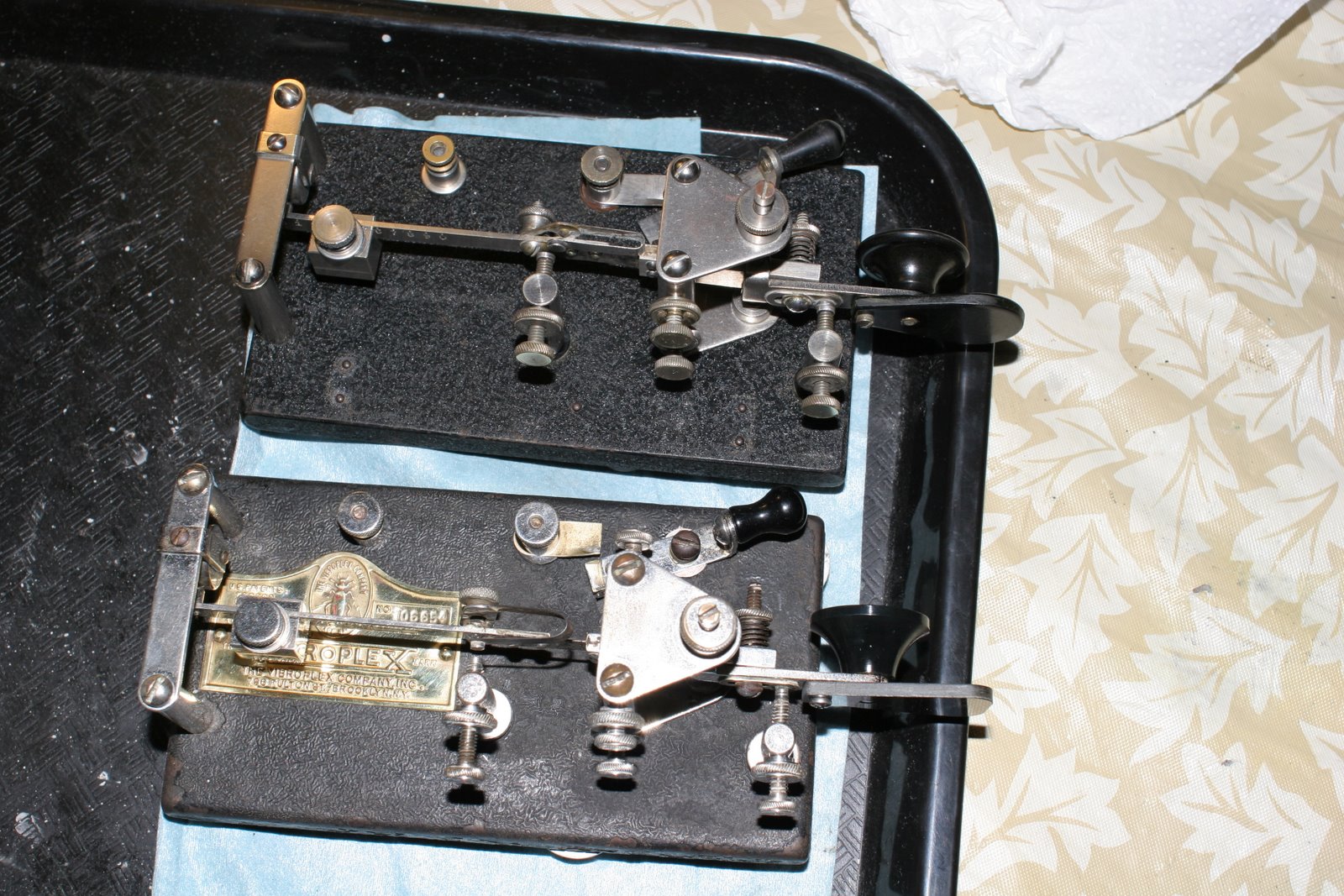
The end result?

Two down, two to go – the 1920 Martin Junior and last but not least, a 1919 Original:
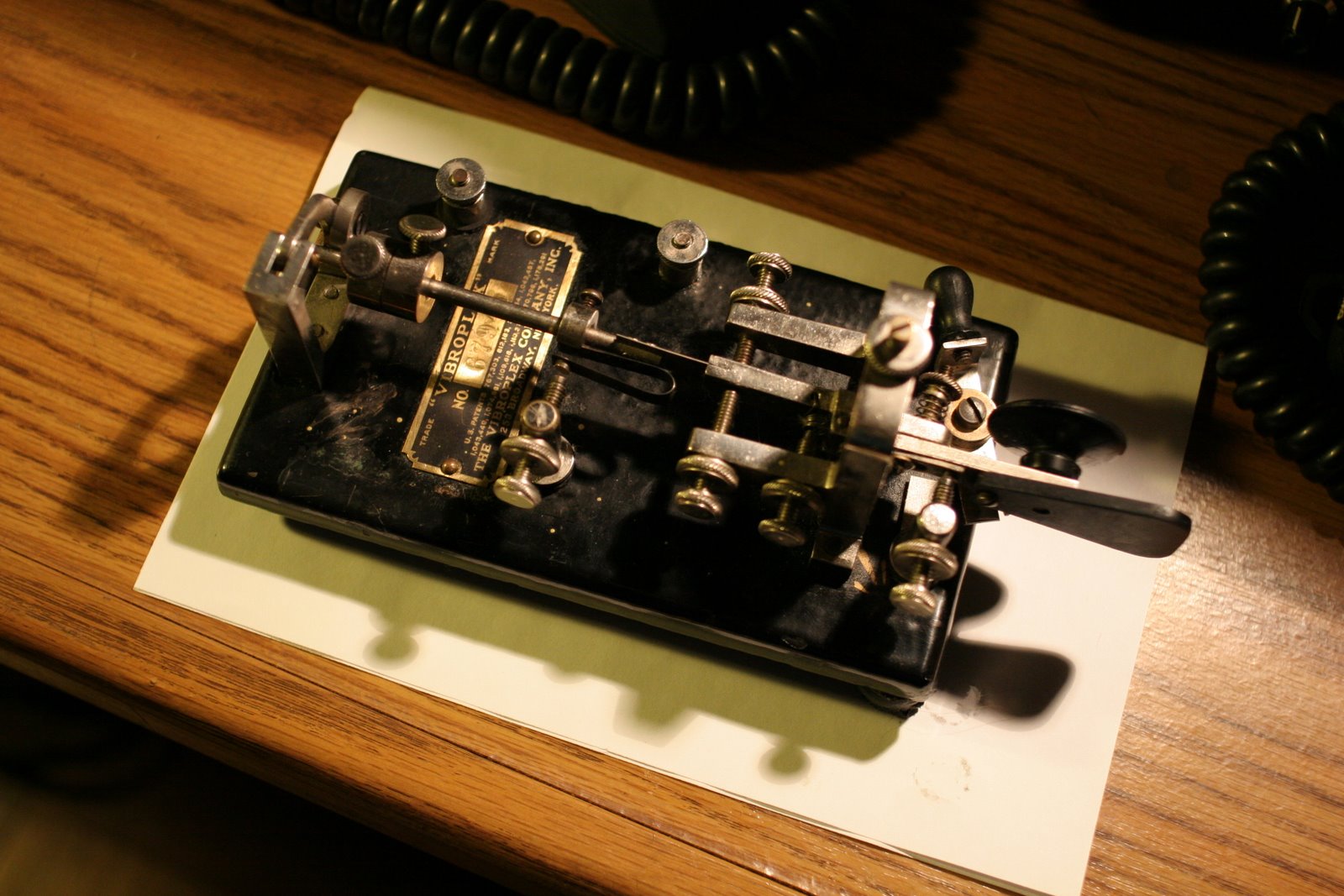
The journey continues…

73

– Mike
KC2BNX

QRP Chronicles: Part I – The Rockmite Creation

The Rockmite

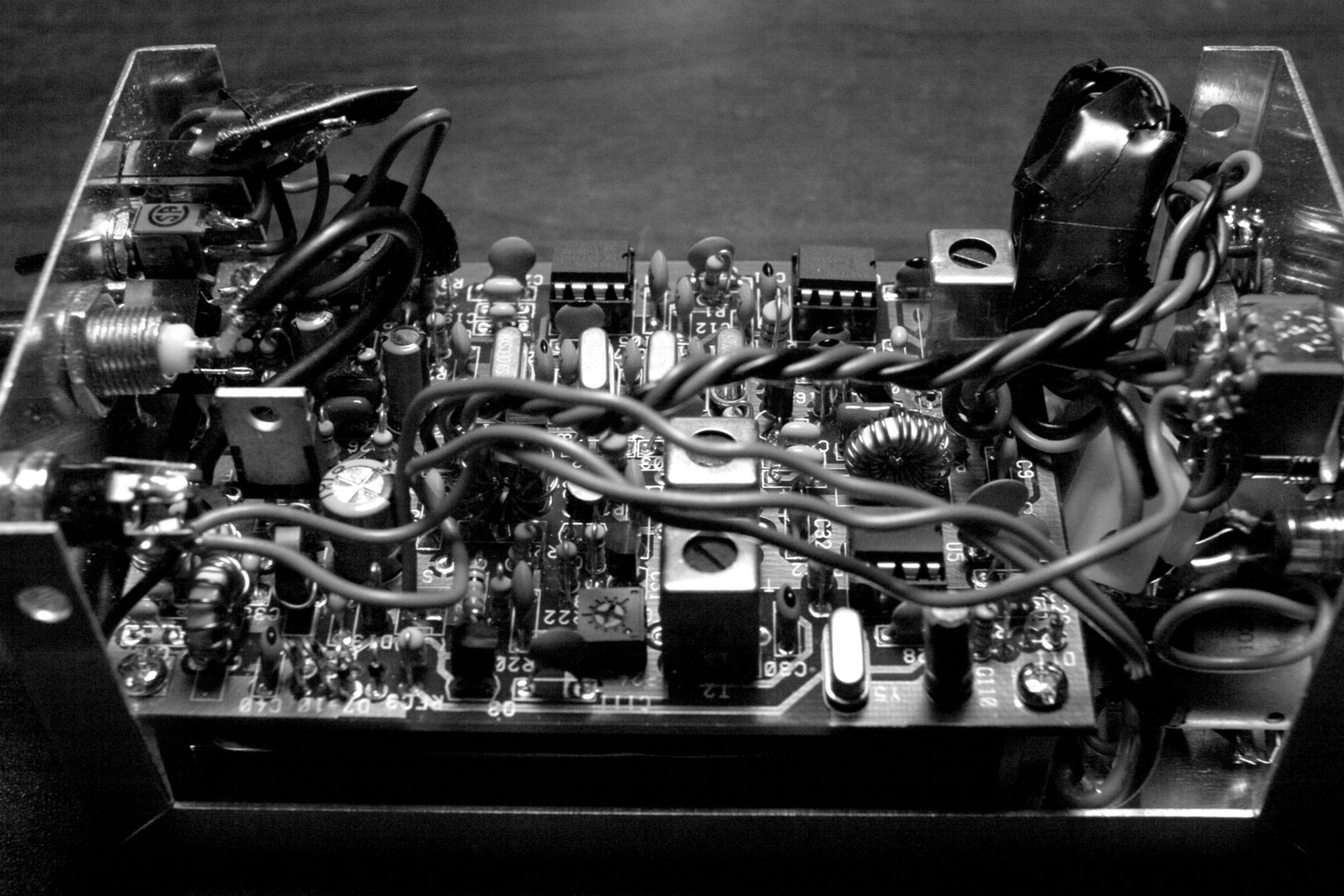
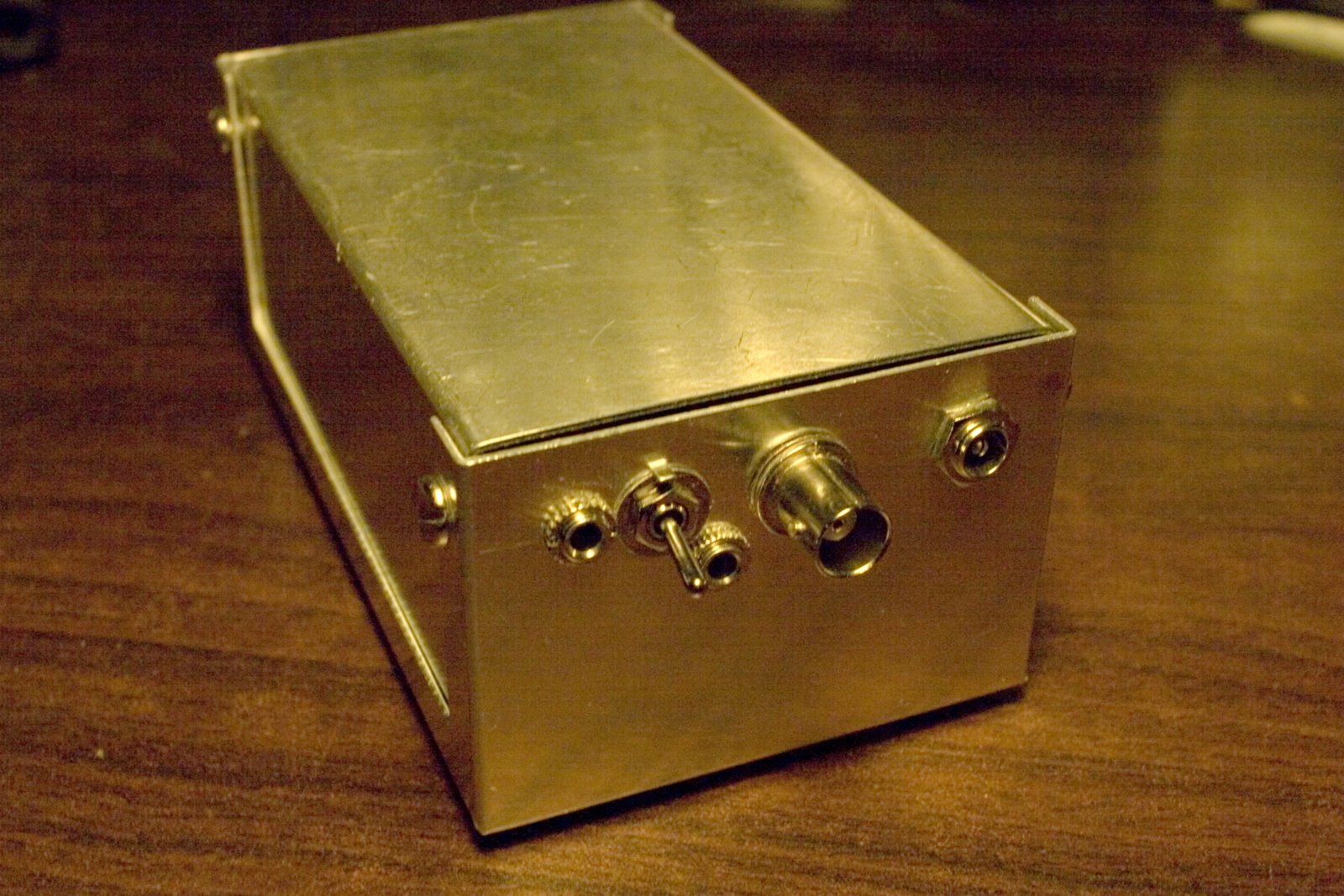
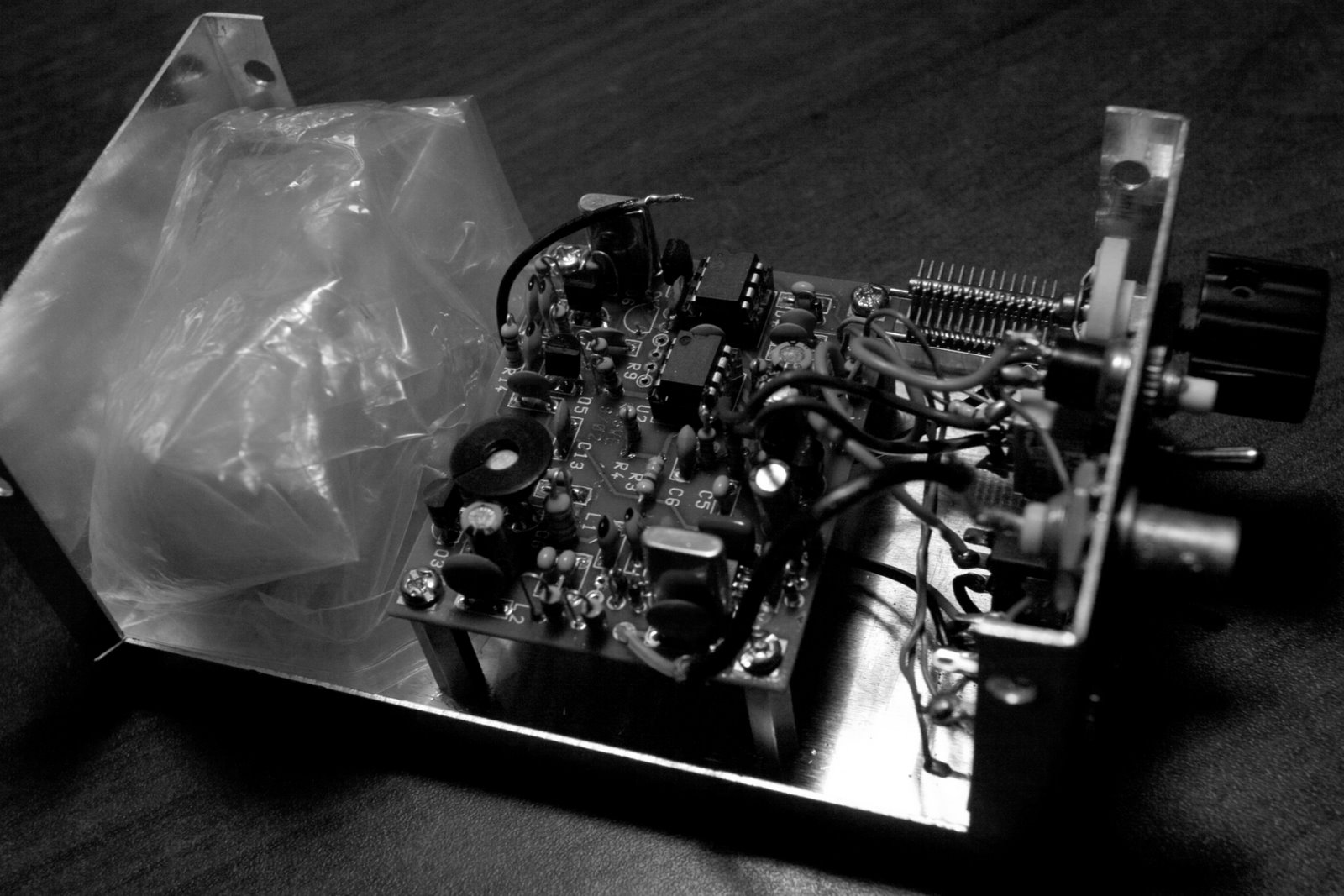
Yeah so I ordered a Rockmite 20 meter cw transceiver kit about a month and a half ago from Dave Benson(K1SWL) on his website(http://www.smallwonderlabs.com/) to build a ready-to-go, “all in one” qrp cw rig. Fortunately my wait lasted until two days ago when it came in! I’ve already designed the panel layout as can be seen here:


Now you maybe wondering what all the switches are but they all have a purpose. I’m trying something different this time around – last time I built a SW20+ with a built in 9.6v nicd battery pack with charging circuitry:

This time I’m not only aiming to put in a rechargeable power system but also incorporate a led swr bridge based upon prior projects of mine along with a miniture internal L network HPF transmatch using a polyvaricon and four spst switches to switch in and out inductance combinations for a total of 2 ^4 (thats 16) possibilities. The polyvaricon measures about 12pf to roughly ~140 pf. If you look closely you’ll notice that there are no continously-variable volume controls whatsoever – thats because I decided that a simple Hi/Low volume control would do given from prior experiences using my 40M Rockmite. Here’s some pictures of that rig:

Here’s the miniature polyvaricon cap and toroid thats going to be used for the internal “tuner” below:


The other switches are used for charging the internal battery/batter power or external DC, switching the swr and/or internal transmatch in or out independently and keyer control if paddles are used. As you can see, the differences from the 40 meter and 20 meter Rockmites puts this new project on a different level of complexity. Hopefully all will go well and I’ll have it ready and built in time for the next meeting! As always you can reach me at KC2BNX@gmail.com if you have any questions! 73

– Mike
Kc2BNX

HF Pack Website

I expect some members will be interested in the website. hfpack.com/

This is what they have to say about themselves:

HFpack is the International Resource for Amateur Radio HF Portable – Mobile – Emergency Communications – Ham Radio Information Exchange – Nets – Ionospheric Propagation.

HFpack is an international news organization.

HFpack provides an information exchange about transceivers, antennas, systems, High Frequency communications, QRP, HF packs, propagation, EMCOMM, new developments and
techniques in VHF and HF portable operation. Radio Amateurs are invited to participate in HFpack group forums and on-the-air nets around the world.

New QSY Society Yahoo Group

Hi Everyone!

I set up a Yahoo Group for The QSY Society to use for whatever we all want to do with it. You are all welcome to join and participate. It is only what we make it so post your ideas for meetings, events, technical questions, etc. I am going to post what is happening with our upcoming portable events here. This group is for conversation postings and does not replace the blog so continue to check the qsysociety.org and qsysociety.blogspot.com for the latest news, information and members postings. 73 de Fred KC2QFR

Group Email Addresses

Post message: qsysociety@yahoogroups.com
Subscribe: qsysociety-subscribe@yahoogroups.com
Unsubscribe: qsysociety-unsubscribe@yahoogroups.com
List owner: qsysociety-owner@yahoogroups.com

Bitten by the Bug

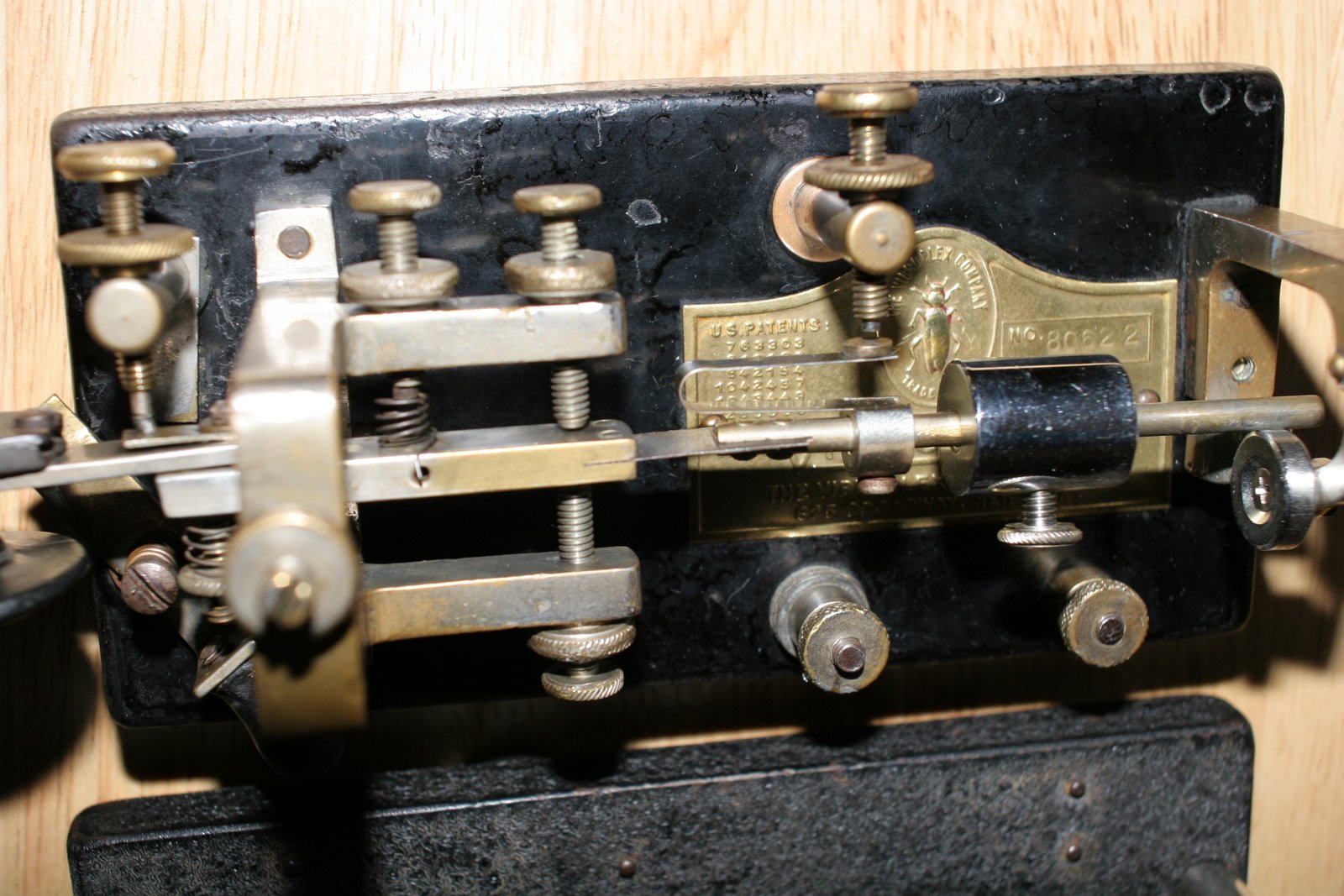
Well the bug has bitten me quite literally. I just picked up 3 bugs from ebay: a 1933 Vibroplex Lightning Bug with s/n 106654, Lionel J 36 with name/sn plate missing, and a nice 1920 Martin Junior(Original on a smaller base) with s/n of 80622.

The collection so far(4).
1933 Vibroplex Lightning Bug. This was owned by a Major in the Canadian army during WWII.

Serial number 106654 – dates it to 1933.
A nice find on ebay, this Lionel J 36 is missing the plate but one can still see the 5 pins on the left side of the base as well as notice the orange signal corps stamping on the bottom.

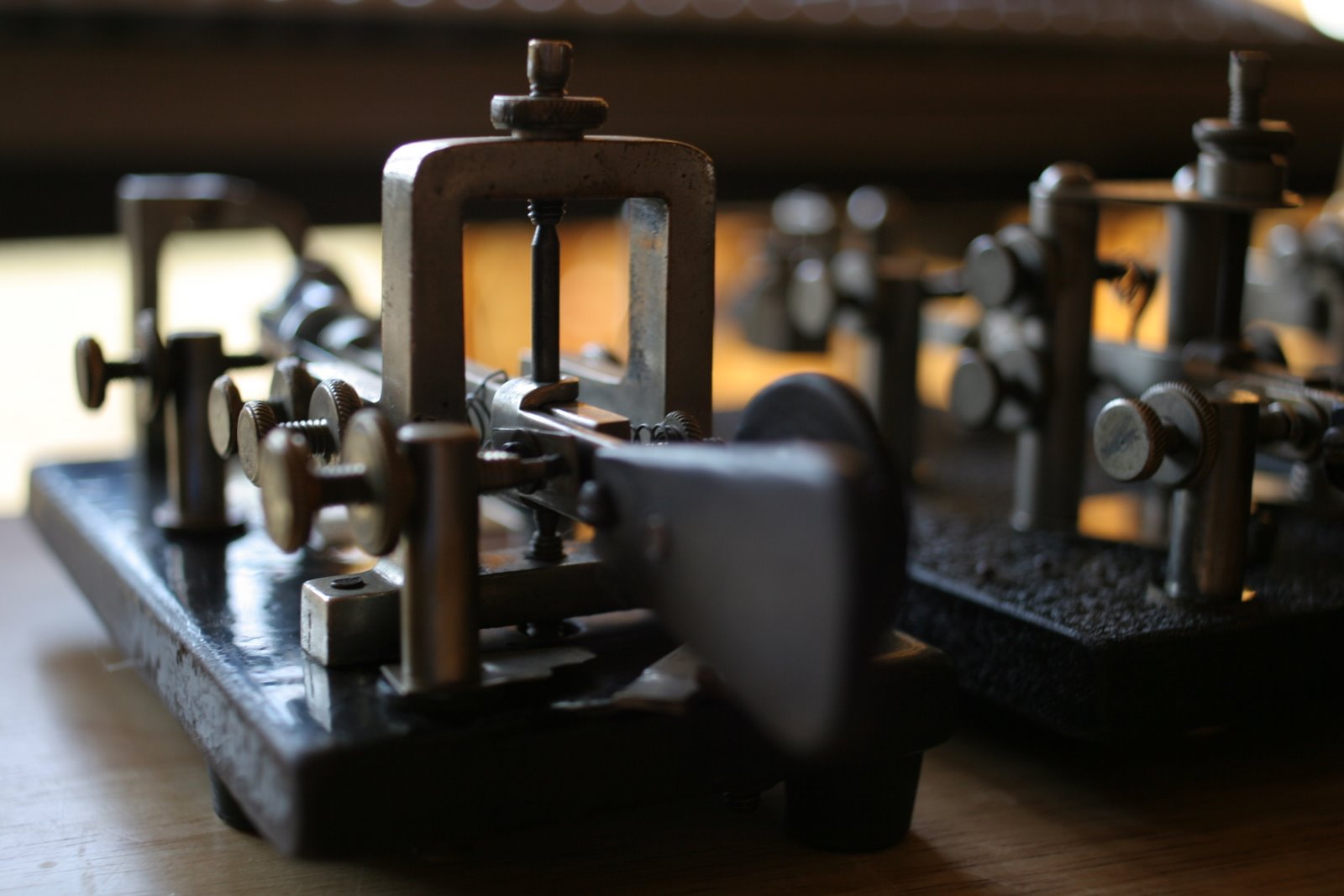
My favorite of all, the “Martin Junior” Vibroplex original, circa 1920.
Serial number 80622.
The paddels are still intact, unlike the unfortunate Lightning Bug I received – the triangle thumb paddle broke off during shippment.

The only thing that bugs me(pun intended) is that with the older model bugs the paddles tend to give off a not-so-nice oldfactory smell which kinda makes me feel sick. I ordered new triangle paddles, knobs, and switch knobs to replace the aging and fragile ones which will then be stored in a safe place as they are the original pieces. The only things not original on the Martin Junior is the weight and arm dampaner with damper wheel but I still wonder what messges these humble bugs have sent over the years, the news they brought, the places they’ve been, the people they served, and the people who operated them.

Yes, I’ve been bitten by the bug. Watch out, you maybe next. I’m going to enjoy restoring, preserving and using these bugs. 73 for now.

– Mike
KC2BNX